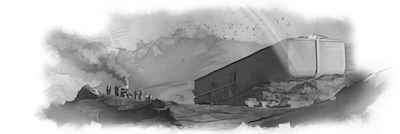
Read for This Week’s Study: Gen. 3:6; Gen. 6:5, 11; Gen. 6:18; Gen. 9:12–17; Isa. 4:3; Rev. 12:17.
Memory Text: “But Noah found grace in the eyes of the Lord” (Genesis 6:8).
Bacteria are plant organisms too small to see without a microscope. Even after being magnified 1,000 times, a single, common round bacterium appears no larger than a pencil point. Given favorable conditions for growth—sufficient warmth, moisture, and food—bacteria multiply at an extremely rapid rate. For example, some bacteria reproduce by simple fission: a mature cell simply splits into two daughter cells. When fission takes place every hour, one bacterium can produce more than 16 million new bacteria in 24 hours. At the end of 48 hours, hundreds of billions of bacteria will have appeared.
This microscopic phenomenon in the natural world illustrates the rapid growth of evil after the Fall. Gifted with giant intellects, robust health, and longevity, this virile race forsook God and prostituted their rare powers to the pursuit of iniquity in all forms. While bacteria may be exterminated by sunlight, chemicals, or high temperatures, God chose to check this rampant rebellion by a universal flood.
The Week at a Glance: What did sin do to God’s creation? What were some of the characteristics of Noah? What elements were involved in the covenant with Noah? In what ways is God’s grace revealed in the covenant with Noah before the Flood? What does the covenant God made with humanity after the Flood teach us about His universal love for us?
* Study this week’s lesson to prepare for Sabbath, April 17. Sunday April 11
The Sin Principle (Gen. 6:5)
The divine opinion at the end of God’s creation was that all “was very good” (Gen. 1:31). Then sin entered, and the paradigm shifted. Things weren’t “very good” anymore. God’s orderly creation was marred by sin and all its loathsome results. Rebellion had reached terrible proportions by Noah’s day; evil consumed the race. Though the Bible does not give us many details (see Ellen G. White, Patriarchs and Prophets, pp. 90–92, for more), the transgressions and rebellion were clearly something that even a loving, patient, and forgiving God couldn’t tolerate.
How could things get so bad so quickly? The answer is, perhaps, not that hard to find. How many people today, looking at their own sins, have not asked the same thing: How did things get so bad so quickly?
Look up the texts listed below. Write down the points they make. Notice the steady progression of sin:
Gen. 3:6
Gen. 3:11–13
Gen. 4:5
Gen. 4:8
Gen. 4:19
Gen. 4:23
Gen. 6:2
Gen. 6:5, 11
Genesis 6:5 and 11 did not arise in a vacuum. There was a history before them. This terrible result had a cause. Sin progressively got worse. It tends to do that. Sin is not like a cut or a wound, with some automatic, built-in process that brings healing. On the contrary, if left unchecked, sin multiplies, never satisfied until it leads to ruin and death. One does not have to imagine life before the Flood to see this principle operating. It exists all around us, even now.
No wonder God hates sin; no wonder, sooner or later, sin will be eradicated. A just, loving God could do nothing else with it.
The good news, of course, is that though He wants to get rid of sin, He wants to save sinners. That’s what the covenant is all about.
Monday April 12
The Man Noah (Gen. 6:9)
Amid all the texts about the evil of the antediluvian (pre-Flood) world, the man Noah stands out in contrast to those around him. Look at the above text and the three particular points that the Bible makes about Noah. To the best of your ability, write down what you think each of these points means:
1. He was “a righteous man” (NRSV).
2. He was “blameless” (NRSV).
3. He “walked with God.”
There is no question, Noah was someone who had a saving relationship with the Lord. He was someone whom God could work with, someone who would listen to Him, obey Him, and trust in Him. That is why the Lord was able to use Noah to fulfill His purposes and why Peter, in the New Testament, called him “a preacher of righteousness” (2 Pet. 2:5).
Read Genesis 6:8. How does this text help us understand the relationship between Noah and the Lord?
The word grace occurs here for the first time in Scripture and clearly has the same meaning as in the New Testament references, where the merciful, unmerited favor of God, exercised toward undeserving sinners, is described. Thus, we need to understand that however “blameless” and “righteous” Noah was, he was still a sinner who needed the unmerited favor of his God. In that sense, Noah is no different from any of us who seek earnestly to follow the Lord.
Understanding that Noah needed God’s grace, as do the rest of us, look at your own life and ask yourself this question: Could it be said of me that I am, like Noah, “righteous,” “blameless,” and that I “walk with God”? Write down your reasons for whatever position you take, and (if you feel comfortable) share it with the class on Sabbath.
Tuesday April 13
Covenant With Noah
“ ‘But I will establish my covenant with you; and you shall come into the ark, you, your sons, your wife, and your sons’ wives with you’ ” (Gen. 6:18, RSV).
In this one verse we have the basics of the biblical covenant that God makes with humanity: God and humankind enter into an agreement. Very simple.
Yet, there are more elements than first meet the eye.
To begin, there is the element of obedience on humanity’s part. God says to Noah that he and his family shall go into the ark. They have their part to do, and if they do not do it, the covenant is broken. If the covenant is broken, they are the ultimate losers, for in the end they are the beneficiaries of the covenant. After all, if Noah said no to God and did not want to abide by the covenant or said yes but then changed his mind, what would have been the results for him and his family?
God says that it is “my covenant.” What does that tell us about the basic nature of the covenant? What difference would there be in our concept of the covenant if the Lord had called it “our covenant”?
However unique this particular situation, we see here the basic Godhuman dynamic found in the covenant. By establishing “my covenant” with Noah, God here again displays His grace. He shows that He is willing to take the initiative in order to save human beings from the results of their sins. In short, this covenant must not be seen as some sort of union of equals in which each “partner” in the covenant is dependent upon the other. We could say that God “benefits” from the covenant, but only in a radically different sense from the way humans do. He benefits in that those whom He loves will be given eternal life—no small satisfaction for the Lord (Isa. 53:11). But that is not to say that He benefits in the same way we, on the receiving end of the same covenant, benefit.
Try this analogy: a man has fallen overboard from a boat in the midst of a storm. Someone on the deck says that he will throw a life preserver over to haul him in. The one in the water, however, has to agree to his end of the “deal,” and that is to grab on and to hold on to what has been provided him. That, in many ways, is what the covenant between God and humanity is all about.
How does the analogy above help you to understand the concept of grace that exists in the covenant? How does it help you understand what your relationship to God even now needs to be based on?
Wednesday April 14
Sign of the Rainbow
“And God said, ‘This is the sign of the covenant which I make between me and you and every living creature that is with you, for all future generations: I set my bow in the cloud, and it shall be a sign of the covenant between me and the earth’ ” (Gen. 9:12, 13, RSV).
Few natural phenomena are more beautiful than the rainbow. Who does not remember as a child one’s first fascination and wonder as those amazing bars of light bent across the sky like some sort of beckoning, mystical portal into the heavens? Even as adults, our breath can be taken away by the sight of those outrageous colors in the clouds. No wonder that even today the rainbow is used as a symbol for so many things: from political organizations to cults to rock bands to travel agencies (look up the word rainbow on the internet and see). Obviously, those beautiful bands of color still touch chords in our hearts and minds.
Of course, that was God’s whole point.
What did the Lord say the rainbow would symbolize? (See Gen. 9:12–17.)
The Lord said He would use the rainbow as a sign of “my covenant” (Gen. 9:15). How interesting that He would use the word “covenant” here, for, in this case, the covenant differs from how it is used elsewhere. In contrast to the covenant with Abraham or the Sinai covenant, there is no specific obligation expressed on the part of those who would benefit from the covenant (even Noah). God’s words here are to all people, to “ ‘every living creature of all flesh’ ” (Gen. 9:15, RSV) for “ ‘all future generations’ ” (Gen. 9:12, RSV). God’s words are universal, all-encompassing, regardless of whether anyone chooses to obey the Lord or not. In this sense, the concept of covenant here is not used as it is elsewhere in the Bible when talking about the relationship between God and humans.
In what sense does this covenant also reveal God’s grace? Who initiated this covenant? Who is the ultimate benefactor?
Though the covenant, as expressed here, does not come with specific obligations on our part (God’s part, of course, is never to destroy the world with a flood), how could our knowledge of what the rainbow symbolizes influence us to live in obedience to the Lord? In short, are there some implied obligations on our part when we look up into the sky and see the rainbow? Think of the whole context in which the rainbow came and the lessons we can learn from that account.
Thursday April 15
“Only Noah Was Left”
“He blotted out every living thing that was upon the face of the ground, man and animals and creeping things and birds of the air; they were blotted out from the earth. Only Noah was left, and those that were with him in the ark” (Gen. 7:23, RSV).
In this text one finds the first mention of the concept of “the remnant” in the Scriptures. The word translated as “was left” comes from another word whose root forms are used many times in the Old Testament where the idea of a remnant is conveyed.
“ ‘And God sent me before you to preserve for you a remnant on earth, and to keep alive for you many survivors’ ” (Gen. 45:7, RSV; emphasis supplied).
“And he who is left in Zion and remains in Jerusalem will be called holy, every one who has been recorded for life in Jerusalem” (Isa. 4:3, RSV; emphasis supplied).
“In that day the Lord will extend his hand yet a second time to recover the remnant which is left of his people” (Isa. 11:11, RSV; emphasis supplied).
In all these cases, the italicized words are linked to the similar words “was left” found in Genesis 7:23, RSV.
Look at Genesis 7:23 and the other examples. How do you understand the concept of a remnant here? What are the surrounding conditions that led to a remnant? How does the covenant fit in with the idea of a remnant?
At the time of the Flood, the Creator of the world became the Judge of the world. The nearing worldwide judgment raised the question whether all life on earth—even human life—would be destroyed. If not, who would be the survivors? Who would be the remnant?
In this case, it was Noah and his family. Yet, Noah’s salvation was linked to God’s covenant with him (Gen. 6:18)—a covenant that originated and was executed by a God of mercy and grace. They survived only because of what God did for them, however important their cooperation was. Whatever Noah’s covenant obligations were, and no matter how faithfully he executed them, his only hope was in God’s mercy.
Based upon our understanding of last-day events, which includes a time when God will have a remnant (see Rev. 12:17), what parallels can we learn from the story of Noah that will help us prepare to be part of the remnant? In what ways are we making decisions every day that could impact just where we finally stand at that time?
Friday April 16
Further Thought: Read Ellen G. White, “The Flood,” pp. 90–104 and “After the Flood,” pp. 105–110, in Patriarchs and Prophets.
“The rainbow, a natural physical phenomenon, was a fitting symbol of God’s promise never to destroy the earth again by a flood. Inasmuch as the climatic conditions of the earth would be completely different after the Flood, and rains would in most parts of the world take the place of the former beneficent dew to moisten the soil, something was needed to quiet men’s fears each time rain began to fall. The spiritual mind can see in natural phenomena God’s revelations of Himself (see Rom. 1:20). Thus the rainbow is evidence to the believer that the rain will bring blessing and not universal destruction.”—The SDA Bible Commentary, vol. 1, p. 265.
Discussion Questions:
“In those days the world teemed, the people multiplied, the world bellowed like a wild bull, and the great god was aroused by the clamour. Enlil heard the clamour and he said to the gods in council, ‘The uproar of mankind is intolerable and sleep is no longer possible by reason of the babel.’ So the gods agreed to exterminate man.”—“The Story of the Flood” in The Epic of Gilgamesh, trans. N. K. Sanders (London: The Penguin Group, 1972), p. 108. Compare this reason for the Flood to the reason given in the Bible.
Noah did more than warn his generation of God’s approaching judgment. The purpose of his warning was to help the people sense their need of salvation. Why are the truths of salvation generally unpopular? List and discuss some things that hinder many persons from accepting God’s plan for their salvation. (See John 3:19; John 7:47, 48; John 12:42, 43; and James 4:4.)
Summary: In this week’s study, we have noted that the covenants God made with Noah are the first to be discussed explicitly in the Bible. They display His gracious interest in the human family and His desire to enter into a saving relationship with them. God reaffirmed His covenant with Noah, and it was Noah’s commitment to God that shielded him from the prevailing apostasy and eventually saved him and his family from the devastating judgment of the Flood.
“This symbol [the rainbow] in the clouds is to confirm the belief of all, and establish their confidence in God, for it is a token of divine mercy and goodness to man; that although God has been provoked to destroy the earth by the Flood, yet His mercy still encompasseth the earth.”—Ellen G. White, The Story of Redemption, p. 71.
Story inside
Made for Mission in Mexico
By Andrew McChesney, Adventist Mission
Gustavo Taracena is not a pastor, but he has a passion for planting churches.
Gustavo, a 58-year-old retired customer service representative for a Mexican telecommunications company, praised God when his second church plant, located in La Huasteca, a small community on the outskirts of Villahermosa, Mexico, became a full-fledged church in 10 years. But he wasn’t sure what to do next. He and his wife, Maria Hernandez, prayed. “What do You want us to do this coming year?” he prayed.
After praying for a few weeks, Gustavo learned from the district pastor about hopes to plant a church in Playas del Rosario, another small community outside the city. He prayed for three weeks and agreed to lead the project.
But where were they to meet? That problem was solved when a church member offered his house for the Sabbath meetings. He didn’t live there, so Gustavo could use the house freely. It wouldn’t cost a peso.
On the first Sabbath, two mothers and 12 children joined Gustavo and his wife for worship. Seeing so many people at the first meeting, he felt that God was blessing the project and he could move forward.
He organized a weeklong evangelistic series in the house church, and the number of children increased to 20. With so many children, Gustavo decided to conduct a special Sabbath School for children on Sabbath mornings and a worship service for both children and adults in the afternoons.
Trouble struck one of the mothers who attended every Sabbath. The owner of the house she rented threatened to evict her and her five children. “If you keep going to those meetings, you will have to leave,” the owner said.
The mother kept going to the meetings, and she was evicted. But she was not discouraged. She found a new house to rent and continued worshiping. At the house church, worshipers prayed and intermittently fasted for the mother’s former house owner. During a literature-distribution drive, the owner accepted an Adventist magazine and asked for prayer. A few weeks later, she accepted a loaf of sweet bread from a church member and asked for more prayers.
Gustavo, meanwhile, organized a second set of evangelistic meetings, this time in an Adventist church located a half mile (one kilometer) away in a neighboring community. A woman and a boy were baptized at the meetings, becoming the firstfruits of his church plant. The house church had its first two members just four months after opening. “By faith we know God will add more members and our small group will grow into a full-fledged church,” he said.
Thank you for your Thirteenth Sabbath Offering three years ago that helped expand the Seventh-day Adventist Church’s Southeast Hospital in Villahermosa, Mexico.
teachers comments
Study Focus: Genesis 6
Part I: Overview
Noah responded to God’s covenant by committing his life to God and opening his heart to God’s love. The ark was a symbol of Noah’s commitment to support the covenant he had agreed to, and God rewarded him by saving Noah’s family from the final judgment of the antediluvian world—the Flood.
Part II: Commentary
The Sin Principle
Contemplate the following three quotes, keeping Cain’s sin in mind: “Sins are like circles in the water when a stone is thrown into it; one produces another. When anger was in Cain’s heart, murder was not far off.”—Philip Henry, in Frank S. Mead, 12,000 Religious Quotations (Grand Rapids, MI: Baker Books, 1996), p. 407. “Sin is a state of mind, not an outward act.”—William Sewell, in Frank S. Mead, 12,000 Religious Quotations, p. 409. “A merciful Creator still spared his [Cain’s] life, and granted him opportunity for repentance. But Cain lived only to . . . become the head of a line of bold, abandoned sinners. This one apostate, led on by Satan, became a tempter to others; and his example and influence exerted their demoralizing power, until the earth became so corrupt and filled with violence as to call for its destruction.”—Ellen G. White, Patriarchs and Prophets, p. 78.
The Man Noah
Like the bright Amaryllis lily that sprays its pleasing fragrance amid the thornbushes in the Holy Land, Noah’s character revealed the scent of heaven during the defiant antediluvian era. The Hebrew meaning for Noah indicates that “Yahweh brings comfort.” Like us, while Noah had been born a sinner, he had been consoled by Yahweh’s faithfulness to the Adamic covenant. This was Noah’s only means of hope and salvation. It was God’s grace that prodded him as a young man to embrace an obedient lifestyle in the midst of decadent lawlessness. “Men before the Flood lived many hundreds of years, and when one hundred years old they were considered but youths. . . . They came upon the stage of action from the ages of sixty to one hundred years, about the time those who now live . . . have passed off the stage.”—Ellen G. White Comments, The SDA Bible Commentary, vol. 1, pp. 1089, 1090; emphasis supplied.
God’s Covenant With Noah
“The statement in Genesis 6:18, though brief, contains profound concepts. It predicts provisions for the future of humankind. In establishing this covenant with the one to survive the Flood with his family, God dispenses His bountiful grace and mercy. Humankind’s security in the present and assurance of salvation in the future arise out of God’s grace and the divine action in their behalf. . . .
“The typical expression for the making of a covenant does not appear in this passage, namely, . . . ‘to cut a covenant,’ or . . . ‘to make a covenant.’ Here the term used is to establish (heqîm). A careful investigation of this term in connection with covenant-making reveals the significance of ‘to maintain’ or ‘to confirm’ (compare Deuteronomy 9:5; 27:26; 1 Samuel 15:11; 2 Samuel 7:25; 2 Kings 23:3, 24; etc.). This discovery gives us the impression that God’s establishment of His covenant implies a maintaining of a commitment to which God had pledged Himself earlier.”—Gerhard F. Hasel and Michael G. Hasel, The Promise: God’s Everlasting Covenant, p. 29.
Sign of the Rainbow
Accordingly, in the covenant-of-grace saga, there are two diverse portraits and venues of the biblical, varicolored rainbow. On one hand, in Genesis 9, Christ revealed a cosmic rainbow as a sign of His mercy and grace to the Noahic remnant who survived the Deluge. On the other hand, Christ will reveal to the remnant, at the end of days, the unique rainbow surrounding God’s throne. (See Ezek. 1:26–28 and Dan. 12:1, 2.)
“Then a rainbow, shining with the glory from the throne of God, spans the heavens and seems to encircle each praying company. The angry multitudes are suddenly arrested. Their mocking cries die away. The objects of their murderous rage are forgotten. With fearful forebodings they gaze upon the symbol of God’s covenant and long to be shielded from its overpowering brightness.”—Ellen G. White, The Great Controversy, p. 636, emphasis supplied. (See Rev. 6:13–17.)
Only Noah Was Left
“The first explicit mention of a remnant in the Bible occurs in Genesis 7:23: ‘Only Noah was left, and those that were with him in the ark’ (RSV). The word translated ‘was left’ derives from the Hebrew root sa’ar, of which different forms express the remnant idea in the Old Testament. . . .
“We cannot overlook the fact that the remnant who survived the first worldwide catastrophe were people of faith and trust (see Genesis 6:9 and 7:1). Because the Bible used the [Noahic] Flood as a type of the end-time destruction, this observation has much significance.”—Gerhard F. Hasel and Michael G. Hasel, The Promise: God’s Everlasting Covenant, p. 31.
“Some of the carpenters he [Noah] employed in building the ark, believed the message, but died before the flood; others of Noah’s converts backslid.”—Ellen G. White, Fundamentals of Christian Education, p. 504.
“One man’s assertion against the wisdom of thousands! They would not credit the warning. . . . Christ declares that there will exist similar unbelief concerning His second coming. . . . When the luxury of the world becomes the luxury of the church; when the marriage bells are chiming, and all are looking forward to many years of worldly prosperity—then, suddenly as the lightning flashes . . . will come the end of their bright visions and delusive hopes.”—Ellen G. White, The Great Controversy, pp. 338, 339.
Part III: Life Application
For Reflection: One of the finest sinful men who lived in ancient Athens was Aristides. Aristides was just, kind, and fair. So, why did the majority vote to banish him? The consensus was that they were tired of hearing Aristides called “the just.” Aristides’s crime was that his goodness contrasted too sharply with the “badness” of others.
1. As in the case of Aristides, had it not been for the “goodness” of Noah, we might never have realized how bad the world was before the Flood. As Noah experienced, reflecting Christ has its price. Consider the price you have to pay to be a true Christian today. Do we, like Aristides and Noah, have the resilience necessary to endure the negative treatment that we may receive? How so?
2. Romans 12:2 urges us not to be conformed to the world but to be transformed apart from it. Noah is a classic example of how a person can do this. What can we learn from Noah’s life that will enable us not to be tempted by the sin of conformity? Do you think God expects us, as He did Noah, to be concerned about the souls of others? Explain your answer in the context of modern challenges to witnessing.
3. Had there been a hospital for the mentally ill in Noah’s time, his “friends” surely would have committed him. Everything he said and did spelled “lunacy.” God’s wisdom is often looked upon as foolishness by this world. As covenant players, we are subject to ridicule and accusations. How can we be prepared for such treatment? Think of at least three Bible promises you can claim during such times.
4. Genesis 6:6 states that God was so appalled by the evil of the antediluvian world that He regretted creating humankind. What does it mean that God felt regret? Does God’s regret suggest that He is capable of making mistakes?
5. In Genesis 6:9, Noah is referred to as upright and blameless. Were these qualities that Noah possessed innately within himself, apart from God? What is the nature of the righteousness Noah was said to have?
6. Does the fact that God seeks to have a covenant with human beings suggest that He “needs” us somehow? Explain. In what sense might this be the case?
7. The concept of the remnant is a difficult one for many people, suggesting arrogance and triumphalism. Why can no attitudes of arrogance or triumphalism be justified in the light of the biblical idea of the remnant?
8. What does the rainbow in Genesis 9:12–17 suggest about God’s means of influencing the human race to choose Him?
SÁBADO, ABRIL 10 “por Siglos Perpetuos”
Lee para el estudio de esta semana Génesis 3:6; 6:5, 11; 6:18; 9:12–17; Isaías 4:3; Apocalipsis 12:17.
Para memorizar
“Pero Noé halló gracia ante los ojos de Jehová” (Gén. 6:8). Las bacterias son organismos demasiado pequeños para verlos sin un microscopio. Dadas las condiciones favorables para el crecimiento (suficiente calor, humedad y alimento), las bacterias se multiplican a un ritmo extremadamente rápido. Por ejemplo, algunas bacterias se reproducen por simple fisión (división): una célula madura simplemente se divide en dos células hijas. Cuando la fisión tiene lugar a cada hora, una bacteria puede producir más de 18 millones de bacterias nuevas en 24 horas.
Este fenómeno microscópico en el mundo natural ilustra el rápido crecimiento del mal en la humanidad después de la Caída. Dotada de intelectos gigantes, salud robusta y longevidad, esta raza vigorosa abandonó a Dios y prostituyó sus facultades excepcionales tras la iniquidad en todas sus formas. Dios eligió detener aquella rebelión desenfrenada mediante un diluvio universal.
Reseña de la semana: ¿Qué le hizo el pecado a la Creación de Dios? ¿Cuáles fueron algunas de las características de Noé? ¿Qué elementos involucraba el pacto con Noé? ¿De qué manera se revela la gracia de Dios en el pacto con Noé antes del Diluvio? ¿Qué nos enseña el pacto que Dios hizo con la humanidad después del Diluvio sobre su amor universal por nosotros?
Comentarios Elena G.W En todo período de la historia de esta tierra, Dios tuvo hombres a quienes podía usar como instrumentos oportunos a los cuales dijo: “Sois mis testigos”. En toda edad hubo hombres piadosos, que recogieron los rayos de luz que fulguraban en su senda, y hablaron al pueblo las palabras de Dios. Enoc, Noé, Moisés, Daniel y la larga lista de patriarcas y profetas, todos fueron ministros de justicia. No fueron infalibles; eran hombres débiles, sujetos a yerro; pero el Señor obró por su medio a medida que se entregaban a su servicio (Obreros evangélicos, p. 13).
El mundo estaba en su infancia; no obstante, la iniquidad del género humano se había hecho tan profunda y general que Dios no pudo soportarla más; y dijo: “Raeré los hombres que he criado de sobre la faz de la tierra”. Génesis 6:7. Declaró que su Espíritu no contendería para siempre con la humanidad culpable. Si los hombres no cesaban de manchar el mundo y sus ricos tesoros con sus pecados, los borraría de su creación, y destruiría las cosas que con tanta delicia les había brindado…
“Por la fe Noé, habiendo recibido respuesta de cosas que aun no se veían, con temor aparejó el arca en que su casa se salvase: por la cual fe condenó al mundo, y fue hecho heredero de la justicia que es por la fe”. Hebreos 11:7. Mientras Noé daba al mundo su mensaje de amonestación, sus obras demostraban su sinceridad. Así se perfeccionó y manifestó su fe. Dio al mundo el ejemplo de creer exactamente lo que Dios dice. Todo lo que poseía lo invirtió en el arca. Cuando empezó a construir aquel inmenso barco en tierra seca, multitudes vinieron de todos los rumbos a ver aquella extraña escena, y a oír las palabras serias y fervientes de aquel singular predicador. Cada martillazo dado en la construcción del arca era un testimonio para la gente (Historia de los patriarcas y profetas, pp. 80–82)
El mundo no es más favorable hoy para el desarrollo del carácter cristiano que en los días de Noé. Entonces se había extendido tanto la impiedad… Pero Noé halló gracia ante los ojos de Jehová… Noé, varón justo, era perfecto en sus generaciones; con Dios caminó Noé”. Génesis 6:7–9. Sí, en medio de esa era degenerada, Noé era un placer para su Creador.
Estamos viviendo en los últimos días de la historia de esta tierra, en una era de pecado y corrupción, y como Noé hemos de vivir de tal manera que seamos un placer para Dios al manifestar las alabanzas de Aquel “que os llamó de las tinieblas a su luz admirable”. 1 Pedro 2:9. En la oración que Cristo elevó a su Padre antes de su crucifixión, dijo: “No ruego que los quites del mundo, sino que los guardes del mal”. Juan 17:15 (Mensajes selectos, t. 1, p. 105).
DOMINGO, ABRIL 11 El Principio Del Pecado La opinión divina al final de la Creación de Dios fue que todo “era bueno en gran manera” (Gén. 1:31). Luego entró el pecado, y el paradigma cambió. Las cosas ya no eran “buenas en gran manera”. La ordenada Creación de Dios se vio empañada por el pecado y todos sus repugnantes resultados. La rebelión alcanzó proporciones terribles en los días de Noé; el mal consumió a la raza. Aunque la Biblia no nos da muchos detalles (ver además PP 78-81), las transgresiones y las rebeliones evidentemente fueron algo que ni siquiera un Dios amoroso, paciente y perdonador podía tolerar.
¿Cómo pudo empeorar todo con tanta rapidez? Quizá la respuesta no sea tan difícil de encontrar. ¿Cuántas personas, hoy en día, al mirar sus propios pecados, no se han preguntado lo mismo: cómo es que todo empeoró tan rápido?
Busca los textos enumerados a continuación. Anota la cuestión que plantean. Observa la progresión constante del pecado:
1. Gén. 3:6
2. Gén. 3:11-13
3. Gén. 4:5
4. Gén. 4:8
5. Gén. 4:19
6. Gén. 4:23
7. Gén. 6:2
8. Gén. 6:5,11
Génesis 6:5 y 11 no se produjeron en el vacío; había una historia detrás. Este terrible resultado tuvo una causa. El pecado empeoró progresivamente. Es lo que tiende a hacer. El pecado no es como un corte o una herida, con algún proceso automático incorporado que trae curación. Al contrario, el pecado, si no se controla, se multiplica; nunca se satisface hasta llevar a la ruina y la muerte. No es necesario imaginar la vida antes del Diluvio para ver ese principio en acción; existe a nuestro alrededor incluso en la actualidad.
No es de extrañar que Dios odie el pecado; no es de extrañar que, tarde o temprano, el pecado sea erradicado. Un Dios justo y amoroso no puede hacer otra cosa con eso.
Por supuesto, lo bueno es que, aunque él desea deshacerse del pecado, anhela salvar a los pecadores. De eso se trata el Pacto.
Comentarios Elena G.W Los hombres desprovistos de la gracia de Dios, se complacen en hacer el mal. Andan en tinieblas y carecen de poder para ejercer dominio sobre sí mismos. Dan rienda suelta a sus pasiones y apetitos hasta que se pierden los sentimientos más delicados y se manifiestan únicamente las pasiones animales. Esos hombres necesitan experimentar un poder controlador más elevado, que los constriña a obedecer. Si los dirigentes no ejercen poder para aterrorizar al malvado, este se hundirá hasta el nivel de las bestias. La tierra se torna cada vez más corrompida (Testimonios para la iglesia, t. 1, p. 323).
Es una ley del espíritu humano que nos hacemos semejantes a lo que contemplamos. El hombre no se elevará más allá de sus conceptos acerca de la verdad, la pureza y la santidad. Si el espíritu no sube nunca más arriba que el nivel humano, si no se eleva mediante la fe para comprender la sabiduría y el amor infinitos, el hombre irá hundiéndose cada vez más. Los adoradores de falsos dioses revestían a sus deidades de cualidades y pasiones humanas, y rebajaban así sus normas de carácter a la semejanza de la humanidad pecaminosa. Como resultado lógico se corrompieron.
“Y vio Jehová que la malicia de los hombres era mucha en la tierra, y que todo designio de los pensamientos del corazón de ellos era de continuo solamente el mal… Y corrompióse la tierra delante de Dios, y estaba la tierra llena de violencia”. Génesis 6:5, 11. Dios había dado a los hombres sus mandamientos como norma de vida, pero su ley fue quebrantada, y como resultado cometieron todos los pecados concebibles. La impiedad de los hombres fue manifiesta y osada, la justicia fue pisoteada en el polvo, y las lamentaciones de los oprimidos ascendieron hasta el cielo (Historia de los patriarcas y profetas, pp. 79, 80).
¿Os obligará Dios a obedecer? ¿Forzará él vuestra voluntad? Nunca. El Señor os ha dotado de talentos, inteligencia y raciocinio. Él ha enviado del cielo a su Hijo unigénito para que abriera un camino para vosotros y para poner a vuestro alcance la inmortalidad. ¿Qué explicación podéis dar a Dios por vuestra debilidad, vuestra desobediencia, vuestra impureza, vuestros malos pensamientos y acciones?…
No penséis que Dios va a hacer un milagro para salvar a las almas débiles que albergan el mal, que practican el pecado, o que va a introducir algún elemento sobrenatural en sus vidas para elevarlas del ámbito del yo a una esfera más alta donde la tarea sea comparativamente fácil y no requiera ningún esfuerzo especial, ninguna lucha especial, ninguna crucifixión del yo; todos los que se demoran en el campo de Satanás esperando que esto se haga, perecerán con los obradores del mal. Serán repentinamente destruidos, y ya no habrá remedio.
Si Dios ha hecho provisión para que el hombre tenga la vida eterna, tiene formas de capacitarlo para que ejercite la santidad en su vida. Todos los que quieren dar evidencia de que han echado mano de la vida futura, demostrarán en forma práctica por medio de su vida y su carácter que están viviendo en novedad de vida, en pureza y santidad aquí, cumpliendo con lo que ha sido revelado (Testimonios para los ministros, pp. 452, 453).
LUNES, ABRIL 12 El Hombre Noé En medio de todos los textos sobre la maldad del mundo antediluviano (anterior al Diluvio), el hombre Noé se destaca en contraste con quienes lo rodeaban. Lee el pasaje anterior y fíjate en los tres puntos especiales que la Biblia menciona sobre él. Escribe de la mejor manera lo que crees que significa cada uno de estos puntos:
1. Era “varón justo”
2. Era “perfecto”
3. “Con Dios caminó”
Sin lugar a dudas, Noé era alguien que tenía una relación salvífica con el Señor. Era alguien con quien Dios podía trabajar; alguien que lo escuchaba, le era obediente y confiaba en él. Por eso, el Señor pudo usar a Noé para cumplir sus propósitos, y por eso Pedro, en el Nuevo Testamento, lo llamó “pregonero de justicia” (2 Ped. 2:5).
Lea Génesis 6:8. ¿Cómo nos ayuda ese texto a comprender la relación entre Noé y el Señor?
La palabra gracia aparece aquí por primera vez en las Escrituras, y evidentemente tiene el mismo significado que en las referencias del Nuevo Testamento, donde se describe el favor misericordioso e inmerecido de Dios ejercido hacia los pecadores, que no lo merecen. Por lo tanto, debemos entender que, por muy “perfecto” y “justo” que fuera Noé, aun así era un pecador que necesitaba el favor inmerecido de su Dios. En ese sentido, Noé no es diferente de cualquiera de nosotros que buscamos fervientemente seguir al Señor.
Al entender que Noé necesitaba la gracia de Dios, al igual que el resto de nosotros, considera tu propia vida y hazte esta pregunta: ¿Podría decirse de mí que soy, como Noé, “justo”, “perfecto” y que camino “con Dios”? Escribe tus argumentos para cualquier postura que adoptes y (si te sientes cómodo) compártelas con la clase el sábado.
Comentarios Elena G.W Noé permaneció firme como una roca en medio de la tempestad. Toda clase de impiedad y corrupción moral lo circundaba; pero en medio del desprecio y el ridículo popular, en medio de la desobediencia e impiedad universal, Noé se destacaba por su santa integridad y su fidelidad inquebrantable. Mientras el mundo que lo rodeaba ignoraba a Dios y gozaba con toda clase de perversión extravagante que lo condujo a la violencia y a crímenes de toda especie, el fiel predicador de justicia comunicó a esa generación que un diluvio de agua inundaría la tierra a causa de la tremenda maldad de sus habitantes. Los invitó a creer en Dios y a arrepentirse, y a encontrar refugio en el arca.
El mensaje que predicaba era una viva realidad para Noé. En medio de las burlas y de las chanzas del mundo, fue un testigo inflexible de Dios. Su humildad y su justicia contrastaban claramente con los crímenes repugnantes, las intrigas y la violencia que se practicaba continuamente a su alrededor. Poder acompañaba sus palabras; porque era la voz de Dios a través de su siervo. El vínculo con Dios lo fortaleció con el vigor del poder infinito… Cuán sencilla y semejante a la de un niño fue la fe de Noé, en medio de la incredulidad y de las burlas del mundo (Reflejemos a Jesús, p. 314).
Noé no asoció con su mensaje los agradables y complacientes engaños de Satanás. No reprodujo el sentimiento de muchos que en esos días sostenían que la misericordia de Dios era tan grande que Él no haría una obra tan terrible. Muchos afirmaron que Dios concedería a los impíos otro período de prueba; pero Noé no los tranquilizó ni alentó en ellos la más mínima esperanza de que quienes descuidaran la oportunidad presente, rechazaran la verdad presente, fueran favorecidos con otra oportunidad de salvación… Él conocía el poder de Dios, y comprendía que Dios cumpliría su palabra. Su temor de Dios no lo alejó del Creador, antes lo acercó más a él y lo condujo a derramar su alma en ferviente súplica (Reflejemos a Jesús, p. 315).
La pluma inspirada, fiel a su tarea, nos habla de los pecados que vencieron a Noé, Lot, Moisés, Abraham, David y Salomón, y hasta nos cuenta que aun el enérgico espíritu de Elías se abatió bajo la tentación durante su terrible prueba. Están fielmente registradas la desobediencia de Jonás y la idolatría de Israel. La negación de Pedro, la aguda contienda que hubo entre Pablo y Bernabé, las flaquezas de los profetas y los apóstoles, todo queda revelado por el Espíritu Santo, que descorre el velo del corazón humano. Ante nosotros se expone la vida de los creyentes, con todos sus defectos e insensateces, que están destinados a ser una lección para todas las generaciones que los habían de seguir. Si hubiesen sido perfectos, habrían sido sobrehumanos, y nuestra naturaleza pecaminosa nos haría desesperar de llegar jamás a tal punto de excelencia. Pero al ver cómo lucharon y cayeron, cómo cobraron nuevamente ánimo y vencieron por la gracia de Dios, cobramos aliento para avanzar contra los obstáculos que la naturaleza degenerada coloca en nuestro camino (Testimonios para la iglesia, t. 4, p. 15).
MARTES, ABRIL 13 El Pacto Con Noé “Mas estableceré mi pacto contigo, y entrarás en el arca tú, tus hijos, tu mujer, y las mujeres de tus hijos contigo” (Gén. 6:18).
En este versículo tenemos los fundamentos del Pacto bíblico que Dios hace con la humanidad: Dios y la humanidad concertan un acuerdo. Muy simple.
Sin embargo, hay más elementos de los que se ven a simple vista. Por empezar, está el elemento de la obediencia por parte de la humanidad. Dios dice a Noé que él y su familia entrarán en el arca. Tienen su parte que hacer, y si no la cumplen, el pacto se rompería. Si el pacto se rompe, ellos serían los perdedores en última instancia, porque son los beneficiarios del pacto. A fin de cuentas, si Noé le hubiese dicho que no a Dios y no hubiese querido acatar el pacto, o hubiese dicho que sí, pero luego cambiara de opinión, ¿cuáles habrían sido los resultados para él y su familia?
Dios dice que es “mi pacto”. ¿Qué nos dice esto sobre la naturaleza básica del Pacto? ¿Qué diferencia habría en nuestro concepto del Pacto si el Señor lo hubiera llamado “nuestro pacto”?
Independientemente de la particularidad de esta situación, aquí vemos la dinámica básica divino-humana que se encuentra en el Pacto. Al establecer “mi pacto” con Noé, Dios muestra nuevamente su gracia. Demuestra que está dispuesto a tomar la iniciativa para salvar a los seres humanos de los resultados de sus pecados. En resumen, este Pacto no debe verse como una especie de unión entre iguales, en la que cada “socio” del Pacto depende del otro. Podríamos decir que Dios “se beneficia” del Pacto, pero solo en un sentido radicalmente diferente del que lo hacen los seres humanos. Él se beneficia porque aquellos a quienes ama recibirán la vida eterna, una satisfacción no pequeña para el Señor (Isa. 53:11). Pero eso no quiere decir que él se beneficie de la misma manera que nos beneficiamos nosotros, que estamos en el extremo receptor del mismo Pacto.
Considera esta analogía: un hombre se cayó de un barco en medio de una tormenta. Alguien desde la cubierta dice que le arrojará un salvavidas para subirlo. Sin embargo, el que está en el agua tiene que estar de acuerdo con su parte del “trato”; es decir, asir y aferrarse a lo que se le ha proporcionado. En cierto modo, de eso se trata el Pacto entre Dios y la humanidad.
¿Cómo te ayuda esa analogía a entender el concepto de la gracia presente en el Pacto? ¿Cómo te ayuda a comprender en qué debe basarse tu relación con Dios, incluso en este momento?
Comentarios Elena G.W La combinación de la fe y las obras de Noé condenó al mundo. No solo predicó la verdad presente apropiada para su época, sino que puso en práctica cada sermón que pronunció. Aunque nunca hubiera elevado su voz para formular sus amonestaciones, sus obras, su carácter santo en medio de los corruptos e impíos, habrían sido sermones condenatorios para los incrédulos y disolutos de aquella época. Soportó con paciencia y humildad semejante a la de Cristo las provocaciones, los insultos, las burlas y los escarnios. A menudo se escuchaba su voz elevada a Dios en oración, pidiendo su poder y ayuda a fin de poder cumplir todos los mandamientos de Dios. Esto era un poder condenador para los incrédulos (This Day With God, p. 235; parcialmente en Cada día con Dios, p. 233).
El mundo ha llegado a ser temerario en la transgresión de la ley de Dios. A causa de la larga clemencia divina, los hombres han pisoteado su autoridad. Se han fortalecido mutuamente en la opresión y la crueldad que ejercen contra su herencia… Pero existe una línea que no pueden traspasar. Se acerca el tiempo en que llegarán al límite prescrito. Aun ahora casi han pasado los límites de la paciencia de Dios, los límites de su gracia y misericordia. El Señor se interpondrá para defender su propio honor, para librar a su pueblo, y para reprimir los desmanes de la injusticia.
En los días de Noé, los hombres habían descuidado la ley de Dios hasta que casi todo recuerdo del Creador había desaparecido de la tierra. Su iniquidad alcanzó tal grado que el Señor trajo un diluvio sobre la tierra que arrasó a todos sus impíos habitantes.
En diversas edades el Señor ha hecho conocer la forma en que obra. Cuando ha llegado una crisis, él se ha manifestado, y se ha interpuesto para estorbar la ejecución de los planes de Satanás. En el caso de naciones, familias e individuos, permitió a menudo que las cosas llegaran a una crisis, y entonces su intervención se efectuó en forma notable. En esas ocasiones él ha manifestado que hay un Dios en Israel que hará que su ley permanezca incólume y defenderá a su pueblo (Palabras de vida del gran Maestro, p. 141).
Cuando Adán y Eva fueron creados recibieron el conocimiento de la ley de Dios; conocieron los derechos que la ley tenía sobre ellos; sus preceptos estaban escritos en sus corazones. Cuando el hombre cayó a causa de su transgresión, la ley no fue cambiada, sino que se estableció un sistema de redención para hacerle volver a la obediencia. Se le dio la promesa de un Salvador, y se establecieron sacrificios que dirigían sus pensamientos hacia el futuro, hacia la muerte de Cristo como supremo sacrificio…
Adán enseñó a sus descendientes la ley de Dios, y así fue transmitida de padres a hijos durante las siguientes generaciones. No obstante las medidas bondadosamente tomadas para la redención del hombre, pocos la aceptaron y prestaron obediencia. Debido a la transgresión, el mundo se envileció tanto que fue menester limpiarlo de su corrupción mediante el diluvio. La ley fue preservada por Noé y su familia, y Noé enseñó los diez mandamientos a sus descendientes (Historia de los patriarcas y profetas, p. 378).
MIÉRCOLES, ABRIL 14 La Señal Del Arco Iris “Y dijo Dios: Esta es la señal del pacto que yo establezco entre mí y vosotros y todo ser viviente que está con vosotros, por siglos perpetuos: Mi arco he puesto en las nubes, el cual será por señal del pacto entre mí y la tierra” (Gén. 9:12, 13).
Pocos fenómenos naturales son más hermosos que el arco iris. ¿Quién no recuerda, de cuando era niño, la primera fascinación y asombro cuando esas asombrosas franjas de luz se arqueaban a través del firmamento como una especie de portal místico que invita al cielo (o tal vez, simplemente como el cinturón de un payaso)? Incluso como adultos, ver esos colores extravagantes en las nubes puede dejarnos sin aliento. No es de extrañar que incluso hoy el arco iris se utilice como símbolo para tantas cosas: desde organizaciones políticas, sectas, bandas de rock, y hasta agencias de viajes (busca la palabra “arco iris” en la web, y lo verás). Obviamente, esas hermosas franjas de color todavía tocan acordes en nuestro corazón y en nuestra mente.
Por supuesto, ese era el objetivo de Dios.
¿Por qué dijo el Señor que el arco iris sería una señal? Génesis 9:12-17.
El Señor dijo que usaría el arco iris como una señal “del pacto mío” (Gén. 9:15). Es interesante que utilice la palabra pacto aquí porque, en este caso, el pacto difiere de cómo se usa en otros lugares. En contraste con el pacto con Abraham o el pacto del Sinaí, no hay una obligación específica expresada por parte de aquellos que se beneficiarían del pacto (incluso Noé). Las palabras de Dios aquí son para todos, para “todo ser viviente de toda carne” (Gén. 9:15) “por siglos perpetuos” (Gén. 9:12). Las palabras de Dios son universales, abarcadoras, independientemente de si alguien elige obedecer al Señor o no. En este sentido, el concepto de pacto no se usa como en otras partes de la Biblia que hablan de la relación entre Dios y los seres humanos.
¿En qué sentido este pacto también revela la gracia de Dios? ¿Quién inició este pacto? ¿Quién es el máximo benefactor?
Aunque el pacto, según se expresa aquí, no se presenta con obligaciones específicas para la parte que nos toca a nosotros (la parte de Dios, por supuesto, es no destruir nunca más el mundo con un diluvio), el hecho de conocer lo que simboliza el arco iris, ¿cómo podría influir sobre nosotros para vivir en obediencia al Señor? En otras palabras, ¿hay algunas obligaciones implícitas de nuestra parte cuando miramos al cielo y vemos el arco iris? Piensa en el contexto en el que se dio el arco iris y las lecciones que podemos aprender de ese relato.
Comentarios Elena G.W En su regocijo por verse libre, Noé no se olvidó de Aquel en virtud de cuyo misericordioso cuidado habían sido protegidos. Su primer acto después de salir del arca fue construir un altar y ofrecer un sacrificio de toda clase de bestias y aves limpias, con lo que manifestó su gratitud hacia Dios por su liberación, y su fe en Cristo, el gran sacrificio. Esta ofrenda agradó al Señor y de esto se derivó una bendición, no solo para el patriarca y su familia, sino también para todos los que habrían de vivir en la tierra. “Y percibió Jehová olor de suavidad; y dijo Jehová en su corazón: No tornaré más a maldecir la tierra por causa del hombre… Todavía serán todos los tiempos de la tierra; la sementera y la siega, y el frío y calor, verano e invierno, y día y noche, no cesarán”. Génesis 8:21, 22.
En esto había una lección para las futuras generaciones. Noé había tornado a una tierra desolada; pero antes de preparar una casa para sí, construyó un altar para Dios. Su ganado era poco, y había sido conservado con gran esfuerzo. No obstante, con alegría dio una parte al Señor, en reconocimiento de que todo era de él. Asimismo nuestro primer deber consiste en dar a Dios nuestras ofrendas voluntarias. Toda manifestación de su misericordia y su amor hacia nosotros debe ser reconocida con gratitud, mediante actos de devoción y ofrendas para su obra (Historia de los patriarcas y profetas, p. 96).
¡Qué compasión con el hombre falible fue poner el hermoso y multicolor arco iris en las nubes como prueba del pacto del gran Dios con el hombre! Ese arco debía manifestar a todas las generaciones el hecho de que Dios destruyó a los habitantes de la tierra mediante un diluvio a causa de su gran maldad. Era su propósito que cuando los niños de las generaciones sucesivas lo vieran en las nubes y preguntaran por qué se extendía por los cielos ese magnífico arco, sus padres se refirieran a la destrucción del mundo antiguo por medio del diluvio porque la gente se había entregado a toda clase de impiedad, y las manos del Altísimo le habían dado forma y lo habían colocado en el cielo como señal de que Dios nunca más enviaría las aguas de un diluvio sobre la tierra.
Ese símbolo que aparece en las nubes debe confirmar la fe de todos y afianzar su confianza en Dios, pues es una prueba de la misericordia y la bondad divinas hacia el hombre, y que aunque el Señor se vio obligado a destruir la tierra por medio del diluvio, su misericordia sigue envolviendo el planeta. Dios dijo que se acordaría del hombre cuando viera el arco en las nubes. No debemos entender que alguna vez se iba a olvidar de él. No. Lo que ocurre es que habla con el hombre en su propio idioma, para que este lo pueda comprender major (La historia de la redención, p. 73).
Las palabras y promesas de Dios son el único fundamento de nuestra fe. Tomad la palabra de Dios como verdad, como una voz viva que os habla, y obedeced fielmente cada requerimiento. Dios, que ha prometido, es fiel… La debilidad de nuestra fe limita nuestras bendiciones. Dios no está maldispuesto para dar; él es el manantial de poder (Consejos sobre la obra de la Escuela Sabática, p. 80).
JUEVES, ABRIL 15 “quedó Solamente Noé” “Así fue destruido todo ser que vivía sobre la faz de la tierra, desde el hombre hasta la bestia, los reptiles, y las aves del cielo; y fueron raídos de la tierra, y quedó solamente Noé, y los que con él estaban en el arca” (Gén. 7:23).
En este versículo se encuentra la primera mención del concepto de “remanente” en las Escrituras. La palabra traducida “quedó” proviene de otra palabra cuyas raíces se usan muchas veces en el Antiguo Testamento donde se transmite la idea de un remanente.
“Dios me envió delante de ustedes para preservarles un remanente en la tierra, y para guardarlos con vida mediante una gran liberación” (Gén. 45:7, NBLA; cursiva añadida).
“Y acontecerá que el que quedare en Sion, y el que fuere dejado en Jerusalén, será llamado santo; todos los que en Jerusalén estén registrados entre los vivientes” (Isa. 4:3; énfasis añadido).
“Asimismo acontecerá en aquel tiempo, que Jehová alzará otra vez su mano para recobrar el remanente de su pueblo que aún quede” (Isa. 11:11; énfasis añadido).
Analiza Génesis 7:23 y los otros ejemplos. ¿Cómo entiendes el concepto de remanente aquí? ¿Cuáles fueron las condiciones circundantes que dieron lugar a un remanente? ¿Cómo encaja el Pacto con la idea de un remanente?
Al momento del Diluvio, el Creador del mundo llegó a ser el Juez del mundo. El juicio mundial que se acercaba planteaba la cuestión de si toda la vida en la Tierra, incluso la vida humana, sería destruida. Si no, ¿quiénes serían los sobrevivientes? ¿Quién sería el remanente?
En este caso, fueron Noé y su familia. Sin embargo, la salvación de Noé estaba vinculada al pacto de Dios con él (Gén. 6:18); un pacto que tuvo su origen en un Dios de misericordia y gracia, y que fue ejecutado por él. Sobrevivieron solo por lo que Dios hizo por ellos, aunque su cooperación fue importante. Más allá de cuáles fueran las obligaciones del pacto de Noé, y sin importar con cuánta fidelidad las cumplió, su única esperanza estaba en la misericordia de Dios.
Sobre la base de nuestra interpretación de los acontecimientos de los últimos días, que incluye un momento en que Dios tendrá un remanente (ver Apoc. 12:17), ¿qué paralelismos podemos extraer de la historia de Noé que nos ayudarán a prepararnos para ser parte del Remanente? ¿En qué medida tomamos decisiones a diario que podrían impactar sobre de qué lado estaremos finalmente en ese momento?
Comentarios Elena G.W Se destruyó a los habitantes del mundo de Noé debido a que, después de habérseles concedido un período de 120 años durante el cual elegir entre el bien y el mal, deliberadamente escogieron seguir caminos malvados. Fueron destruidos por el diluvio porque no aprovecharon la oportunidad que Dios les dio para arrepentirse y volver a él.
Ahora como entonces, antes de la gran destrucción del mundo por medio del fuego, se ha concedido un período de prueba y de gracia. Se da a los hombres la oportunidad de mostrar si serán o no leales a Dios. Satanás está tratando de hacer que los que están en posiciones de confianza busquen la regeneración del mundo mediante planes de su propia invención. Estos hombres quieren ser reformadores, pero fracasan porque no orientan sus esfuerzos de acuerdo con las instrucciones de Cristo. ¿Podrían ellos reformar a otros cuando no se reforman a sí mismos?…
Como testigos de Dios, tenemos un mensaje que llevar a todo el mundo. El Señor tiene muchos hijos que nunca escucharon la verdad para este tiempo. Los siervos de Dios deben darles la advertencia final (Alza tus ojos, p. 86).
Para la iglesia de Dios, que custodia su viña en la tierra hoy, resultan de un valor especial los mensajes de consejo y admonición dados por los profetas que presentaron claramente el propósito eterno del Señor en favor de la humanidad. En las enseñanzas de los profetas, el amor de Dios hacia la raza perdida y el plan que trazó para salvarla quedan claramente revelados. El tema de los mensajeros que Dios envió a su iglesia a través de los siglos transcurridos fue la historia del llamamiento dirigido a Israel, sus éxitos y fracasos, cómo recobró el favor divino, cómo rechazó al Señor de la viña y cómo el plan secular será realizado por un remanente piadoso en favor del cual se cumplirán todas las promesas del pacto…
Espere Israel en Dios. El Señor de la viña está ahora mismo juntando de entre los hombres de todas las naciones y todos los pueblos los preciosos frutos que ha estado aguardando desde hace mucho. Pronto vendrá a los suyos; y en aquel alegre día se habrá cumplido finalmente su eterno propósito para la casa de Israel (Profetas y reyes, pp. 15, 16).
Contemplad la cruz del Calvario. Es una garantía permanente del ilimitado amor, la inconmensurable misericordia del Padre celestial. Ojalá todos se arrepintieran e hicieran sus primeras obras. Cuando hagan esto las iglesias, amarán a Dios por sobre todas las cosas y a sus prójimos como a sí mismos… El pueblo de Dios habitará en Cristo, será revelado el amor de Jesús, y un Espíritu animará todos los corazones regenerando y renovando a todos a la imagen de Cristo, modelando de igual manera todos los corazones. Como ramas vivientes de la Vid verdadera, todos se unirán con Cristo: la cabeza viviente. Cristo morará en cada corazón, guiando, consolando, santificando y presentando al mundo la unidad de los seguidores de Jesús, lo que así dará testimonio de que las credenciales celestiales son proporcionadas a la iglesia remanente. La unidad de la iglesia de Cristo demostrará que Dios envió a su Hijo unigénito al mundo (Mensajes selectos, t. 1, pp. 451, 452).
VIERNES, ABRIL 16 Para Estudiar y Meditar Lee Elena de White, Patriarcas y profetas, “El Diluvio”, pp. 78-94; y “Después del Diluvio”, pp. 95-101.
“El arco iris, un fenómeno físico natural, es un símbolo adecuado de la promesa de Dios de no volver a destruir la Tierra mediante un diluvio. Puesto que las condiciones climáticas serían diferentes después del Diluvio, y en la mayoría de las partes del mundo las lluvias tomarían el lugar del anterior y benéfico rocío para humedecer la tierra, convenía que Dios utilizara algún medio para aquietar los temores de los hombres cada vez que comenzara a llover. Toda persona que así lo desee puede ver en los fenómenos naturales la revelacion de Dios mismo (ver Rom. 1:20). De esa manera, el arco iris es para el creyente la evidencia de que la lluvia traerá bendición, y no destrucción universal” (Comentarios de Elena de White en CBA 1:277).
Preguntas para dialogar
“En aquellos días el mundo bullía, la gente se multiplicaba, el mundo bramaba como un toro salvaje, y el gran dios se enardeció con el clamor. Enlil oyó el clamor y les dijo a los dioses del concilio: ‘El alboroto de la humanidad es intolerable y ya no es posible dormir debido a babel’. Así que los dioses acordaron exterminar al hombre” (“The Story of the Flood”, en The Epic of Gigamesh, p. 108). Compara esta versión sobre la razón del Diluvio con la razón que da la Biblia.
Noé hizo más que advertir a su generación del juicio inminente de Dios. El propósito de su advertencia era ayudar a la gente a sentir su necesidad de salvación. ¿Por qué las verdades de la salvación generalmente no son populares? Enumera y analiza algunas cosas que impiden que muchos acepten el plan de Dios para su salvación. Ver Juan 3:19; 7:47, 48; Juan 12:42, 43; Santiago 4:4.
Resumen: En el estudio de esta semana, hemos notado que los pactos que Dios hizo con Noé son los primeros que se abordan explícitamente en la Biblia. Muestran su misericordioso interés en la familia humana y su deseo de entablar una relación salvífica con ella. Dios ratificó su pacto con Noé, y fue el compromiso de Noé con Dios lo que lo protegió de la apostasía imperante y finalmente salvó a él y a su familia del devastador juicio del Diluvio.
“Ese símbolo [el arco iris] que aparece en las nubes debe confirmar la fe de todos y afianzar su confianza en Dios, pues es una prueba de la misericordia y la bondad divinas hacia el hombre; y que aunque el Señor se vio obligado a destruir la Tierra por medio del Diluvio, su misericordia sigue envolviendo el planeta” (HR 72, 73).
Comentarios Elena G.W La historia de la redención, “La construcción del arca”, pp. 65–67;
Historia de los patriarcas y profetas, “Después del diluvio”, pp. 95–101.
VIERNES, ABRIL 16 El Sábado enseñaré El sábado enseñaré… Texto clave: Génesis 6 RESEÑA Noé respondió al pacto de Dios entregando su vida a Dios y abriendo su corazón al amor de Dios. El arca era un símbolo del compromiso de Noé de apoyar el pacto que había aceptado, y Dios lo recompensó salvando a la familia de Noé del juicio final del mundo antediluviano: el Diluvio.
COMENTARIO El principio del pecado Observa las siguientes citas, teniendo en mente el pecado de Caín: “Los pecados son como círculos en el agua cuando se arroja una piedra: uno genera otro. Al haber ira en el corazón de Caín, el asesinato le iba a la zaga” (P. Henry, en F. S. Mead, 12.000 Religious Quotations, p. 407). “El pecado es un estado mental, no un acto externo” (W. Sewell, en F. S. Mead 12.000 Religious Quotations, p. 409). “El misericordioso Creador le perdonó la vida [a Caín] y le dio oportunidad para arrepentirse. Pero Caín vivió solo para endurecer su corazón, para alentar la rebelión contra la divina autoridad, y para convertirse en jefe de un linaje de osados y réprobos pecadores. Este apóstata, dirigido por Satanás, llegó a ser un tentador para otros; y su ejemplo e influencia hicieron sentir su fuerza desmoralizadora, hasta que la tierra llegó a estar tan corrompida y llena de violencia que fue necesario destruirla” (PP 64).
El hombre Noé Como el radiante lirio Amaryllis que rocía su agradable fragancia entre los espinos de Tierra Santa, el personaje de Noé reflejó el aroma del Cielo durante la desafiante era antediluviana. El significado hebreo de Noé indica que “Yahvéh trae consuelo”. Al igual que a nosotros, si bien Noé había nacido pecador, él se había consolado con la fidelidad de Yahvéh al pacto con Adán. Este era el único medio de esperanza y salvación para Noé. Fue la gracia de Dios la que lo impulsó, cuando era joven, a abrazar un estilo de vida obediente en medio de la iniquidad decadente. “Los antediluvianos vivían muchos centenares de años, y cuando tenían cien años eran considerados jóvenes. […] Entraban en la etapa de plena actividad entre los sesenta y los cien años, aproximadamente el tiempo en que los de mayor longevidad de hoy […] no están más en actividad” (“Comentarios de Elena de White”, CBA 1:1.103, 1.104).
El pacto de Dios con Noé “La declaración de Génesis 6:18, aunque breve, contiene conceptos profundos. Predice disposiciones para el futuro de la humanidad. Al establecer este pacto con el que sobreviviría al diluvio con su familia, Dios dispensa su abundante gracia y misericordia. La seguridad de la humanidad en el presente y la seguridad de la salvación en el futuro surgen de la gracia de Dios y de la acción divina en su favor. […]
“La expresión típica de la realización de un pacto no aparece en este pasaje, a saber, […] ‘cortar un pacto’, o […] ‘hacer un pacto’. Aquí, el término que se utiliza es establecer (heqîm). Una investigación cuidadosa de este término en relación con el pacto revela el sentido de ‘mantener’ o ‘confirmar’ (comparar con Deut. 9:5; 27:26; 1 Sam. 15:11; 2 Sam. 7:25; 2 Rey. 23:3, 24, y otros). Este descubrimiento nos da la impresión de que el establecimiento del pacto por parte de Dios implica la confirmación de un compromiso que Dios había anunciado anteriormente” (G. F. Hasel y M. G. Hasel, The Promise: God’s Everlasting Covenant, p. 29).
La señal del arco iris En consecuencia, en la saga del pacto de la gracia, hay dos retratos y lugares diferentes del arco iris bíblico y multicolor. Por un lado, en Génesis 9, Cristo reveló un arco iris cósmico como señal de su misericordia y gracia para con el remanente de Noé que sobrevivió al diluvio. Por otro lado, Cristo revelará al remanente, al final de los días, el arco iris singular que rodea el Trono de Dios (ver Eze. 1:26-28; Dan. 12:1, 2).
“Luego un arco iris, que refleja la gloria del Trono de Dios, se extiende de un lado a otro del cielo y parece envolver a cada grupo en oración. Las multitudes encolerizadas se sienten contenidas en el acto. Sus gritos de burla expiran en sus labios. Olvidan a los objetos de su ira sanguinaria. Con terribles presentimientos contemplan el símbolo del pacto de Dios y ansían ser amparadas de su deslumbrante claridad” (CS 693, 694, énfasis añadido; ver Apoc. 6:13-17).
“Quedó solamente Noé” “La primera mención explícita de un remanente en la Biblia aparece en Génesis 7:23: ‘Quedó solamente Noé, y los que con él estaban en el arca’. La palabra que se traduce como ‘quedó’ deriva de la raíz hebrea sa’ar, que de diferentes formas expresa la idea de remanente en el Antiguo Testamento. […]
“No podemos pasar por alto el hecho de que el remanente que sobrevivió a la primera catástrofe mundial era gente de fe y confianza (Gén. 6:9 y 7:1). Como la Biblia utiliza el diluvio [de Noé] como un tipo de la destrucción del tiempo del fin, esta observación tiene mucha importancia” (G. F. Hasel y M. G. Hasel, The Promise: God’s Everlasting Covenant, p. 31).
“Algunos de los carpinteros que contrató para construir el arca creyeron en el mensaje, pero murieron antes del diluvio; otros conversos de Noé regresaron al mundo” (FEC 565).
“¡Era la afirmación de un hombre contra la sabiduría de miles! No dieron crédito a la advertencia […]. Cristo declara que habrá una incredulidad similar respecto de su segunda venida. […] Cuando el lujo del mundo se vuelva el lujo de la iglesia; cuando las campanas repiquen a bodas, y todos cuenten en perspectiva con muchos años de prosperidad mundana; entonces, tan repentinamente como el relámpago cruza los cielos, se terminarán sus visiones brillantes y sus falaces esperanzas” (CS 386).
APLICACIÓN A LA VIDA Para reflexionar: Uno de los pecadores más refinados que vivió en la antigua Atenas fue Arístides. Arístides era justo, amable y equitativo. Entonces, ¿por qué la mayoría votó por su destierro? El consenso fue que se cansaron de escuchar que a Arístides lo llamaran “El justo”. El delito de Arístides fue que su bondad contrastaba demasiado con la “maldad” de los demás.
Como en el caso de Arístides, si no hubiera sido por la “bondad” de Noé, nunca nos habríamos dado cuenta de lo malo que era el mundo antes del Diluvio. Al igual que ocurrió con Noé, el hecho de que reflejemos a Cristo tiene su precio. Considera el precio que tienes que pagar por ser un verdadero cristiano hoy. ¿Tenemos nosotros, como Arístides y Noé, la resiliencia necesaria para soportar el trato negativo que podamos recibir? ¿En qué medida?
Romanos 12:2 nos insta a no amoldarnos al mundo, sino a transformarnos. Noé es un ejemplo clásico de cómo se puede lograr esto. ¿Qué podemos aprender de la vida de Noé que nos permita no caer en el pecado de la conformidad? ¿Crees que Dios espera que nos preocupemos por otras almas, como hizo con Noé? Explica tu respuesta en el contexto de los desafíos modernos para testificar.
Si hubiera habido un hospital para enfermos mentales en la época de Noé, sus “amigos” seguramente lo habrían internado. Todo lo que dijo e hizo manifestaba “locura”. Este mundo considera a menudo que la sabiduría de Dios es una locura. Como actores del Pacto, estamos sujetos a burlas y acusaciones. ¿Cómo podemos estar preparados para esos tratos? Piensa en al menos tres promesas bíblicas que puedas reclamar durante esos momentos.
Génesis 6:6 afirma que Dios estaba tan consternado por la maldad del mundo antediluviano, que lamentó haber creado a la humanidad. ¿Qué significa que Dios se haya arrepentido? El arrepentimiento de Dios ¿sugiere que es capaz de cometer errores?
En Génesis 6:9 se menciona que Noé era justo y perfecto. Estas cualidades que poseía ¿eran innatas en él, al margen de Dios? ¿Cuál es la naturaleza de la justicia que se dice que tenía Noé?
El hecho de que Dios buscara tener un pacto con los seres humanos ¿sugiere que nos “necesita” de alguna manera? Explica. ¿En qué sentido podría ser así?
El concepto de remanente es difícil para muchos, ya que insinúa arrogancia y triunfalismo. ¿Por qué no pueden justificarse las actitudes de arrogancia o triunfalismo a la luz de la idea bíblica de remanente?
¿Qué sugiere el arco iris en Génesis 9:12 al 17 acerca de los medios que utiliza Dios para influir sobre la raza humana para que lo escoja?
« Pour les générations à toujours »
10 Avr. - 16 Avr.
SAMEDI, AVRIL 10 Lecture de la semaine Gen. 3:6; Gen. 6:5, 11; Gen. 6:18; Gen. 9:12-17; Esa. 4:3, Apo. 12:17.
Verset à mémoriser
« Mais Noé trouva grâce aux yeux de l’Éternel » (Genèse 6:8). Les bactéries sont des organismes végétaux trop petits pour être visibles sans un microscope. Une bactérie ronde commune unique n’apparait pas plus grande qu’une pointe de crayon, même après l’avoir agrandie 1 000 fois. Dans des conditions favorables à une croissance suffisante, la chaleur, l’humidité et la nourriture se multiplient à un rythme extrêmement rapide. Par exemple, certaines bactéries se reproduisent par simple fission: une cellule mature se divise simplement en deux cellules filles. Lorsque la fission a lieu toutes les heures, une bactérie peut produire plus de 18 000 000 de nouvelles bactéries en 24 heures. Au bout de 48 heures, des centaines de milliards de bactéries seront apparues.
Ce phénomène microscopique dans le monde naturel illustre la croissance rapide du mal après la chute. Dotée d’une intelligence géante, d’une santé robuste et d’une grande longévité, cette race virile a abandonné Dieu et prostitué ses rares forces à la poursuite de l’iniquité sous toutes ses formes. Alors que les bactéries peuvent être exterminées par la lumière du soleil, les produits chimiques, ou les températures élevées, Dieu a choisi d’endiguer cette rébellion rampante par un déluge universel.
Aperçu de la semaine: Qu’est-ce que le péché a fait à la création de Dieu? Quelles étaient certaines des caractéristiques de Noé? Quels éléments étaient impliqués dans l’alliance avec Noé? De quelle manière la grâce de Dieu est-elle révélée dans l’alliance avec Noé avant le déluge? Que nous apprend l’alliance que Dieu a conclue avec l’humanité après le déluge sur Son amour universel pour nous?
_* Étudiez cette leçon pour le sabbat 17 Avril._
DIMANCHE, AVRIL 11 Le principe du péché L’opinion divine à la fin de la création de Dieu était que tout « était très bon » (Gen 1, 31). Puis le péché est entré, et le paradigme a changé. Les choses n’étaient plus « très bonnes ». La création ordonnée de Dieu fut entachée par le péché et tous ses résultats détestables. La rébellion a atteint des proportions terribles à l’époque de Noé; le mal a consumé la race. Bien que la Bible ne nous donne pas beaucoup de détails (voir Ellen G. White, Patriarches et prophètes, pp. 32-35 pour en savoir plus), les transgressions et la rébellion étaient clairement quelque chose que même un Dieu d’amour, patient et indulgent ne pouvait pas tolérer.
Comment les choses ont-elles pu tourner mal si rapidement? La réponse n’est peut-être pas si difficile à trouver. Combien de personnes, aujourd’hui, en regardant leurs propres péchés, n’ont pas demandé la même chose: comment les choses ont-elles pu tourer mal si rapidement?
Consultez les textes énumérés ci-dessous. Notez le point qu’ils soulèvent. Remarquez la progression constante du péché:
Gen. 3:6
Gen. 3:11–13
Gen. 4:5
Gen. 4:8
Gen. 4:19
Gen. 4:23
Gen. 6:2
Gen. 6:5, 11
Genèse 6:5 et 11 n’est pas venu dans le vide. Il y a eu une histoire avant cela. Ce terrible résultat avait une cause. Le péché s’est progressivement aggravé. Il a tendance à le faire. Le péché n’est pas comme une blessure, avec un processus automatique et intégré qui apporte la guérison. Au contraire, le péché, s’il n’est pas contrôlé, se multiplie, jamais satisfait jusqu’à ce qu’il mène à la ruine et à la mort. Il n’est pas nécessaire d’imaginer la vie avant le déluge pour voir ce principe fonctionner. Cela existe tout autour de nous, même de nos jours. Pas étonnant que Dieu déteste le péché; pas étonnant que, tôt ou tard, le péché soit éradiqué. Un Dieu juste et amour ne pourrait rien faire d’autre que d’éradiquer le péché.
La bonne nouvelle, bien sûr, est que bien qu’Il veuille se débarrasser du péché, Il veut sauver les pécheurs. C’est l’objet de l’alliance.
LUNDI, AVRIL 12 L’homme Noé Au milieu de tous les textes sur le mal du monde antédiluvien (avant le déluge), l’homme Noé se distingue par rapport à ceux qui l’entourent. Regardez le texte ci-dessus, les trois points particuliers que la Bible mentionne à son sujet. Au mieux de vos capacités, écrivez ce que vous pensez que chacun de ces points signifie:
1. C’était « un homme juste »
2. Il était « intègre »
3. Il « marchait avec Dieu »
Il n’y a aucun doute que Noé avait une relation salvatrice avec l’Éternel. C’était quelqu’un avec qui Dieu pouvait travailler, quelqu’un qui L’écoutait, Lui obéissait et Lui faisait confiance. C’est pourquoi l’Éternel a pu utiliser Noé pour accomplir Ses desseins et c’est pourquoi Pierre, dans le Nouveau Testament, l’a appelé « prédicateur de la justice » (2 Pie. 2:5).
Lisez Genèse 6:8. Comment ce texte nous aide-t-il à comprendre la relation entre Noé et l’Éternel?
Le mot grâce apparait ici pour la première fois dans l’Écriture et a clairement la même signification que dans les références du Nouveau Testament, où la miséricorde, et la faveur imméritée de Dieu, exercée envers les pécheurs indignes, sont décrites. Ainsi, nous devons comprendre que, même si Noé était « intègre » et « juste », il était toujours un pécheur qui avait besoin de la faveur imméritée de son Dieu. En ce sens, Noé n’est pas différent de tous ceux d’entre nous qui cherchent sincèrement à suivre l’Éternel.
En comprenant que Noé avait besoin de la grâce de Dieu, comme nous tous, regardez votre propre vie et posez-vous cette question: peut-on dire de moi que je suis, comme Noé, « juste », « intègre », et que je « marche avec Dieu »? Notez les raisons de votre position, quelle qu’elle soit, et (si vous vous sentez à l’aise) partagez-les avec la classe le jour du sabbat.
MARDI, AVRIL 13 L’alliance avec Noé « Mais J’établis mon alliance avec toi; tu entreras dans l’arche, toi et tes fils, ta femme et les femmes de tes fils avec toi » (Gen. 6:18, LSG).
Dans ce verset, nous avons les bases de l’alliance biblique que Dieu conclut avec l’humanité: Dieu et l’homme concluent un accord. C’est très simple.
Pourtant, il y a plus d’éléments que ce qui est évident au premier coup d’œil. Pour commencer, il y a l’élément d’obéissance de la part de l’homme. Dieu dit à Noé que lui et sa famille entreront dans l’arche. Ils ont leur part à faire, et s’ils ne le font pas, l’alliance est rompue. Si l’alliance est rompue, ils sont les perdants ultimes, car, en fin de compte, ils sont les bénéficiaires de l’alliance. Après tout, si Noé avait dit non à Dieu et ne voulait pas s’y conformer ou s’il avait dit oui mais avait ensuite changé d’avis, quels auraient été les résultats pour lui et sa famille?
Dieu dit que c’est « Mon alliance ». Qu’est-ce que cela nous apprend sur la nature fondamentale de l’alliance? Quelle différence y aurait-il dans notre conception de l’alliance si l’Éternel l’avait appelée « notre alliance »?
Aussi unique que soit cette situation particulière, nous voyons ici la dynamique de base entre Dieu et l’homme que l’on trouve dans l’alliance. En établissant « Son alliance » avec Noé, Dieu manifeste une fois de plus Sa grâce. Il montre qu’Il est prêt à prendre l’initiative afin de sauver les êtres humains des conséquences de leurs péchés. En bref, cette alliance ne doit pas être considérée comme une sorte d’union d’égaux dans laquelle chaque « partenaire » de l’alliance dépend de l’autre. Nous pourrions dire que Dieu « bénéficie » de l’alliance, mais seulement dans un sens radicalement différent de celui des humains. Il bénéficie du fait que ceux qu’Il aime auront la vie éternelle, ce qui est une grande satisfaction pour l’Éternel (Esa. 53:11). Mais cela ne veut pas dire qu’Il bénéficie de la même manière que nous bénéficions, en tant que bénéficiaires de la même alliance.
Essayez cette analogie: un homme est tombé par-dessus bord d’un bateau au milieu d’une tempête. Quelqu’un sur le pont dit qu’il va jeter un gilet de sauvetage pour le hisser à bord. Celui qui est dans l’eau doit accepter sa part du « marché » c’est-à-dire, de s’accrocher à ce qui lui a été fourni. C’est, à bien des égards, l’objet de l’alliance entre Dieu et l’humanité.
Comment cette analogie vous aide-t-elle à comprendre le concept de la grâce qui existe dans l’alliance? Comment vous aide-t-elle à comprendre sur quoi doit se fonder votre relation avec Dieu, même maintenant?
MERCREDI, AVRIL 14 Le signe de l’arc-en-ciel « Et Dieu dit: c’est ici le signe de l’alliance que J’établis entre Moi et vous, et tous les êtres vivants qui sont avec vous, pour les générations à toujours: j’ai placé Mon arc dans la nue, et il servira de signe d’alliance entre Moi et la terre » (Gen. 9:12, 13, LSG).
Peu de phénomènes naturels sont plus beaux que l’arc-en-ciel. Qui ne se souvient pas, enfant, de sa première fascination et de son émerveillement face à ces étonnantes barres de lumière courbées dans le ciel comme une sorte de portail mystique qui nous attire vers les cieux (ou peut-être simplement une ceinture de clown)? Même à l’âge adulte, la vue de ces couleurs incroyables dans les nuages peut nous couper le souffle. Il n’est pas étonnant que, même aujourd’hui, l’arc-en-ciel soit utilisé comme symbole pour tant de choses: des organisations politiques aux sectes des groupes de rock jusqu’aux agences de voyage (cherchez le mot « arc-en-ciel » sur le Web et vous verrez). De toute évidence, ces magnifiques bandes de couleurs touchent encore des cordes sensibles dans nos cœurs et nos esprits.
Bien sûr, c’était là tout l’intérêt de Dieu.
Pourquoi l’Éternel a-t-Il dit que l’arc-en-ciel serait un symbole? Gen. 9:12-17.
L’Éternel a dit qu’Il utiliserait l’arc-en-ciel comme signe de « Son alliance » (Gen. 9: 15). Il est intéressant qu’Il utilise le mot alliance ici, car, dans ce cas, l’alliance diffère de la façon dont elle est utilisée ailleurs. Contrairement à l’alliance avec Abraham ou à celle du Sinaï, il n’y a pas d’obligation spécifique exprimée de la part de ceux qui bénéficieraient de l’alliance (même Noé). Les paroles de Dieu s’adressent ici à tous les peuples, à « tous les êtres vivants, de toute chair » (Gen. 9:15, LSG) pour « les générations à toujours » (Gen. 9:12, LSG). Les paroles de Dieu sont universelles, globales, que l’on choisisse ou non d’obéir à l’Éternel. En ce sens, le concept d’alliance n’est pas utilisé comme ailleurs dans la Bible pour parler de la relation entre Dieu et les humains.
Dans quel sens cette alliance révèle-t-elle aussi la grâce de Dieu? Qui est à l’origine de cette alliance? Qui est le bienfaiteur ultime?
Bien que l’alliance, telle qu’elle est exprimée ici, ne s’accompagne pas d’obligations spécifiques de notre part (la part de Dieu, bien sûr, est de ne jamais détruire le monde par un déluge), comment notre connaissance de ce que symbolise l’arc-en-ciel pourrait-elle nous inciter à vivre dans l’obéissance au Seigneur? En bref, y a-t-il des obligations implicites de notre part lorsque nous regardons le ciel et que nous voyons l’arc-en-ciel? Pensez à l’ensemble du contexte dans lequel l’arc-en-ciel est apparu et aux leçons que nous pouvons tirer de ce récit.
JEUDI, AVRIL 15 « Il ne resta que Noé » « Tous les êtres qui étaient sur la face de la terre furent exterminés, depuis l’homme jusqu’au bétail, aux reptiles et aux oiseaux du ciel: ils furent exterminés de la terre. Il ne resta que Noé, et ce qui était avec lui dans l’arche. » (Gen 7:23 LSG).
Dans ce texte, on trouve la première mention du concept de « reste » dans les Écritures. Le mot traduit par « resta » vient d’un autre mot dont les formes sont utilisées à de nombreuses reprises dans l’Ancien Testament où l’idée d’un reste est véhiculée.
« Dieu m’a envoyé devant vous pour vous faire subsister dans le pays, et pour vous faire vivre par une grande délivrance » (Gen. 45:7, LSG; c’est l’auteur qui souligne).
« Alors, le reste de Sion, les survivants de Jérusalem seront appelés saints: tous seront inscrits à Jérusalem afin de vivre. » (Esa 4:3 TOB).
« Et il arrivera, en ce jour-là, que le Seigneur mettra Sa main encore une seconde fois pour acquérir le résidu de Son peuple, qui sera demeuré de reste. » (11:11, DRB; c’est l’auteur qui souligne ).
Dans tous ces cas, les mots en italique sont liés aux mots similaires « resta » que l’on trouve dans Genèse 7:23.
Regardez Genèse 7:23 et les autres exemples. Comment comprenez-vous le concept d’un reste ici? Quelles sont les conditions environnantes qui ont conduit à un reste? Comment l’alliance s’inscrit-t-elle dans l’idée d’un reste?
Au moment du déluge, le Créateur du monde est devenu le Juge du monde. Le jugement universel imminent a soulevé la question de savoir si toute vie sur terre, même la vie humaine, serait détruite. Si ce n’était pas le cas, qui seraient les survivants? Qui serait le reste?
Dans ce cas, c’était Noé et sa famille. Pourtant, le salut de Noé était lié à l’alliance de Dieu avec lui (Gen. 6:18), une alliance qui a été créée et exécutée par un Dieu de miséricorde et de grâce. Ils ont survécu uniquement grâce à ce que Dieu a fait pour eux, quelle que soit l’importance de leur coopération. Quelles que soient les obligations de l’alliance de Noé, et quelle que soit la fidélité avec laquelle il les a exécutées, son seul espoir était dans la miséricorde de Dieu.
Sur la base de notre compréhension des évènements des derniers jours, qui incluent une période où Dieu aura un reste (voir Apo. 12:17), quels parallèles pouvons-nous tirer de l’histoire de Noé qui nous aideront à nous préparer à faire partie de ce reste? De quelle manière prenons-nous chaque jour des décisions qui pourraient avoir un impact sur la situation dans laquelle nous nous trouvons finalement à ce moment-là?
VENDREDI, AVRIL 16 Réflexion avancée « Lisez Ellen G. White, « Le déluge », pp. 32-35 et « Après le déluge », pp. 37-38, dans Patriarches et prophètes.
« L’arc-en-ciel, un phénomène physique naturel, était un symbole approprié de la promesse de Dieu de ne plus jamais détruire la terre par un déluge. Dans la mesure où les conditions climatiques de la terre seraient complètement différentes après le déluge, et où les pluies remplaceraient dans la plupart des régions du monde l’ancienne rosée bienfaisante pour humidifier le sol, il fallait quelque chose pour apaiser les craintes des hommes chaque fois que la pluie commençait à tomber. L’esprit spirituel peut voir dans les phénomènes naturels les révélations de Dieu de Lui-même (voir Rom. 1:20). Ainsi, l’arc-en-ciel est la preuve pour le croyant que la pluie apportera la bénédiction et non la destruction universelle. » – (traduit de The SDA Bible Commentary, vol. 1, p. 265).
Discussion:
1. « En ce temps-là, le monde grouillait, les gens se multipliaient, le monde beuglait comme un taureau sauvage, et le grand dieu fut réveillé par la clameur. Enlil entendit la clameur et dit aux dieux en conseil: ‘‘Le tumulte de l’homme est intolérable et le sommeil n’est plus possible à cause du babel’’. Les dieux ont donc accepté d’exterminer l’homme. » – (traduit de « The Story of the Flood », The Epic of Gilgamesh, trans. N. K. Sanders, London: The Penguin Group, 1972, p. 108). Comparez cette raison du déluge à la raison donnée dans la Bible.
2. Quelle est la différence entre fixer une norme et établir une règle? Selon votre expérience, l’adventisme se préoccupe-t-il davantage de fixer des normes élevées au sein de sa communauté de croyants ou d’établir des règles qui unissent sa communauté? Que dit l’Écriture sur la fixation de normes élevées pour soi-même? Pour sa famille? Son église?
3. Noé a fait plus que prévenir sa génération de l’imminence du jugement de Dieu. Le but de son avertissement était d’aider le peuple à ressentir son besoin de salut. Pourquoi les vérités du salut sont-elles généralement impopulaires?
4. Énumérez et discutez de certaines choses qui empêchent de nombreuses personnes d’accepter le plan de Dieu pour leur salut. Voir Jean 3:19; Jean 7:47, 48; Jean 12:42, 43; Jacques 16:4.
Résumé:
Dans l’étude de cette semaine, nous avons noté que les alliances que Dieu a conclues avec Noé sont les premières à être discutées explicitement dans la Bible. Elles montrent Son intérêt bienveillant pour la famille humaine et Son désir d’entrer dans une relation salvatrice avec elle. Dieu a réaffirmé Son alliance avec Noé, et c’est l’engagement de Noé envers Dieu qui l’a protégé de l’apostasie ambiante et qui l’a finalement sauvé, lui et sa famille, du jugement dévastateur du déluge. « Ce signe dans le ciel est destiné à affermir la foi de tous et à fortifier leur confiance en Dieu. C’est une marque de Sa miséricorde et de Sa bonté envers Ses créatures. Si le Seigneur a été amené à détruire l’humanité par le déluge, Sa sollicitude n’en continue pas moins à englober la terre. » – Ellen G. White, L’histoire de la rédemption, p. 68.
VENDREDI, AVRIL 16 Histoire Fait pour la mission au Mexique Par ANDREW MCCHESNEY, MISSION ADVENTISTE Gustavo Taracena n’est pas pasteur, mais il a la passion d’implanter des églises.
Gustavo, un représentant du service clientèle d’une société de télécommunications mexicaine à la retraite, âgé de 58 ans, loua Dieu lorsque sa deuxième église, implantée à Huasteca, une petite communauté de la banlieue de Villahermosa, au Mexique, devint une église à part entière en dix ans. Mais il n’était pas sûr de ce qu’il ferait ensuite. Sa femme, Maria Hernandez, et lui prièrent.
« Que veux-Tu que nous fassions l’année prochaine? » Pria-t-il.
Après avoir prié pendant quelques semaines, Gustavo appris par le pasteur du district qu’il espérait implanter une église à Playas del Rosario, une autre petite communauté en dehors de la ville. Il pria pendant trois semaines et accepta de diriger le projet.
Mais où se réunir? Ce problème était résolu lorsqu’un membre d’église offrit sa maison pour les réunions du sabbat. Comme il n’y habitait pas, Gustavo utilisait la maison librement. Cela ne couterait pas un peso.
Le premier jour du sabbat, deux mères et douze enfants se joignirent à Gustavo et sa femme pour le culte. En voyant tant de gens à la première réunion, il sentit que Dieu bénissait le projet et qu’il pouvait aller de l’avant.
Il organisa des réunions d’évangélisation d’une semaine dans l’église de maison, et le nombre d’enfants passa à vingt. Avec autant d’enfants, Gustavo décida de mettre en place une école du sabbat spéciale pour les enfants le sabbat matin et un service de culte pour enfants et adultes l’après-midi.
L’une des deux mères qui venait chaque sabbat fut prise de panique. La propriétaire de la maison qu’elle louait vit qu’elle allait aux réunions et menaça de l’expulser, elle et ses cinq enfants. « Si vous continuez à aller à ces réunions, vous devrez partir », déclara la propriétaire.
La mère continua d’aller aux réunions et fut expulsée. Mais elle n’était pas découragée. Elle trouva une nouvelle maison à louer et continua à pratiquer son culte.
À l’église de maison, les fidèles priaient et jeunaient par intermittence pour l’ancienne propriétaire. Lors d’une campagne de distribution de littérature, elle accepta un magazine adventiste et demanda qu’on prie pour elle. Quelques semaines plus tard, elle accepta un pain sucré d’un membre d’église et demanda d’autres prières. Elle devint une amie de l’église de maison.
Entretemps, Gustavo organisa une deuxième série de réunions d’évangélisation, cette fois dans une Église Adventiste située à un kilomètre de là, dans une communauté voisine. Une femme et un garçon furent baptisés lors de ces réunions, devenant ainsi les premiers fruits de l’implantation de son église. L’église de maison eut ses deux premiers membres quatre mois seulement après son ouverture.
« Par la foi, nous savons que Dieu ajoutera d’autres membres et que notre petit groupe deviendra une église à part entière », déclara Gustavo.
Merci pour l’offrande de treizième sabbat que vous avez faite il y a trois ans et qui a permis d’agrandir l’hôpital sud-est de l’Église Adventiste du Septième Jour à Villahermosa, au Mexique.
Produit par le Comité de la Conférence Générale pour la Mission Adventiste. Site Web: www.AdventistMission.org
VENDREDI, AVRIL 16 Commentaires Moniteurs Passage clé: Genèse 6
Partie I: Aperçu Noé répondit à l’alliance de Dieu en consacrant sa vie à Dieu et en ouvrant son cœur à l’amour de Dieu. L’arche était un symbole de l’engagement de Noé à soutenir l’alliance qu’il avait acceptée, et Dieu le récompensa en sauvant sa famille du jugement final du monde antédiluvien – le déluge.
Partie II: Commentaire Le principe du péché
Contemplez les deux citations suivantes, en gardant à l’esprit le péché de Caïn: « Les péchés sont comme des cercles dans l’eau lorsqu’on y jette une pierre; l’un produit l’autre. Quand la colère était dans le cœur de Caïn, le meurtre n’était pas loin. » – (Citation de Philip Henry, traduite du livre de Frank S. Mead, 12 000 Religious Quotations, Grand Rapids, MI: Baker Books, 1996, p. 407). « Le péché est un état d’esprit, pas un acte extérieur. » (Citation de William Sewell, traduite du livre de Frank S. Mead 12 000 Religious Quotations, p. 409).
« Un Créateur miséricordieux lui [Caïn] conserve la vie et lui donne le temps de se convertir. Mais Caïn ne vivra que pour… devenir le chef d’une race de pécheurs effrontés et intraitables. Poussé par Satan, cet apostat deviendra un meneur dont l’influence et l’exemple contribueront à démoraliser la société et à propager à tel point la corruption et la violence, que la destruction du monde deviendra nécessaire. » – Ellen G. White, Patriarches et prophètes, p. 53.
L’homme Noé
Tout comme le lys lumineux Amaryllis répand son parfum agréable au milieu des épines sur la Terre Sainte, le personnage de Noé révèle le parfum du ciel pendant l’ère antédiluvienne pleine de défis. Le sens hébreu de Noé est « Yahvé apporte le confort. » Tout comme nous, alors que Noé était né pécheur, il fut consolé par la fidélité de Yahvé à l’alliance adamique. C’était le seul moyen d’espoir et de salut de Noé. C’est la grâce de Dieu qui l’a poussé, étant jeune, à embrasser un mode de vie obéissant au milieu de l’anarchie décadente. « Les hommes avant le déluge vivaient plusieurs centaines d’années, et quand ils avaient cent ans, ils étaient considérés comme des jeunes… Ils commençaient à vivre pleinement à partir de l’âge de soixante à cent ans, à peu près à la période où ceux de nos jours… se fatiguent déjà. » (Traduit d’Ellen G. White Comments, The SDA Bible Commentary, vol. 1, pp. 1089, 1090).
L’Alliance de Dieu avec Noé
« La déclaration dans Genèse 6:18, bien que brève, contient des concepts profonds. Elle prévoit des dispositions pour l’avenir de l’humanité. En établissant cette alliance avec celui qui survivra au Déluge avec sa famille, Dieu dispense Sa grâce et Sa miséricorde abondantes. La sécurité de l’humanité dans le présent et l’assurance du salut à l’avenir découlent de la grâce de Dieu et de l’action divine en leur faveur… L’expression typique du fait d’établir une alliance n’apparait pas dans ce passage, c’est-à-dire… ‘‘entamer une alliance’’, ou ‘‘faire une alliance’’. Ici, le terme utilisé est établir (heqîm). Une étude minutieuse de ce terme dans le cadre de l’établissement d’une alliance révèle la signification de ‘‘maintenir’’ ou ‘‘confirmer’’ (voir Deutéronome 9:5; 27:26; 1 Samuel 15:11; 2 Samuel 7:25; 2 Rois 23:3, 24; etc.). Cette découverte nous donne l’impression que l’établissement de l’alliance de Dieu implique le maintien d’un engagement auquel Dieu s’était consacré plus tôt. » (Traduit du livre de Gerhard F. Hasel et Michael G. Hasel, The Promise: God’s Everlasting Covenant, p. 29).
Le signe de l’arc-en-ciel
En conséquence, dans la saga de l’alliance de grâce, il y a deux portraits et contextes différents de l’arc-en-ciel biblique. D’une part, dans Genèse 9, Dieu révéla un arc-en-ciel cosmique comme un signe de Sa miséricorde et de Sa grâce au reste de Noé qui survécut au déluge. D’autre part, Dieu révèlera au reste, à la fin des jours, l’arc-en-ciel unique entourant le trône de Dieu. (Voir Eze. 1:26-28; Dan. 12:1, 2.)
« Puis un arc-en-ciel, réfléchissant la gloire du trône de Dieu encercle le firmament, et semble entourer séparément les groupes de fidèles en prière. Brusquement arrêtées dans leur marche, les bandes irritées, saisies d’effroi et réduites au silence, oublient les objets de leur fureur. Pleines de sombres pressentiments, elles contemplent le gage de l’alliance divine, et ne demandent plus qu’à être mises à l’abri de l’éclat qui les aveugle. » – Ellen G. White, La tragédie des siècles, pp. 690, c’est nous qui soulignons. (Voir Apoc 6:13-17.)
Il ne restait que Noé
« La première mention explicite d’un reste dans la Bible apparait dans Genèse 7:23: « Il ne resta que Noé, et ce qui était avec lui dans l’arche » (LSG). Le mot traduit par « reste » est dérivé du mot originaire hébraïque sa’ar, dont différentes formes expriment l’idée du reste dans l’Ancien Testament…
« Nous ne pouvons ignorer le fait que les restes qui survécurent à la première catastrophe mondiale étaient des gens de foi et de confiance (Genèse 6:9 et 7:1). Parce que la Bible utilise le déluge [du temps de Noé] comme un type de destruction à la fin des temps, cette observation a beaucoup d’importance. » (Traduit de Gerhard F. Hasel & Michael G. Hasel, The Promise: God’s Everlasting Covenant, p. 31).
« Certains des charpentiers qu’il [Noé] employait dans la construction de l’arche, croyaient au message, mais moururent avant le déluge; d’autres convertis retombèrent dans le péché. » (Traduit d’Ellen G. White, Fundamentals of Christian Education, p. 504).
« Un seul homme osait s’opposer à tous les sages de la terre! Et ils se refusèrent à croire le message… Jésus déclare que le monde fera preuve d’une incrédulité analogue au sujet de Son retour… Ceux qui se disent le peuple de Dieu s’uniront au monde, vivront de sa vie, participeront avec lui aux plaisirs défendus, au luxe et à l’apparat; les cloches nuptiales tinteront gaiement, et le monde entier comptera sur des années de prospérité. Alors, aussi soudainement que l’éclair déchire… viendra la fin de leurs visions enchanteresses et de leurs fallacieuses espérances. » – Ellen G. White, La tragédie des siècles, pp. 365, 366.
Partie III: Application Réflexion: Aristide fut l’un des meilleurs hommes qui vivaient en Athènes antique. Aristide était juste, gentil et honnête. Alors, pourquoi la majorité a-t-elle voté pour le bannir? Le consensus était qu’ils étaient fatigués d’entendre Aristide être appelé « le juste. » Le crime d’Aristide était que sa bonté contrastait trop fortement avec la « méchanceté » des autres.
Comme dans le cas d’Aristide, nous n’aurions peut-être jamais réalisé à quel point le monde était mauvais avant le déluge si Noé n’était pas un homme de « bonté ». Comme Noé, notre réflexion de Christ a un prix. Considérez le prix que vous devez payer pour être un vrai chrétien aujourd’hui. Avons-nous, comme Aristide et Noé, la résilience nécessaire pour supporter le traitement que nous pouvons recevoir? Comment?
Romains 12:2 nous exhorte à ne pas être conformes au monde, mais à être transformés. Noé est un exemple classique de la façon dont une personne peut le faire. Que pouvons-nous apprendre de la vie de Noé qui nous aidera à ne pas être tentés par le péché de conformité? Pensez-vous que Dieu s’attend, comme Il le fit avec Noé, à ce que nous nous préoccupions des âmes des autres? Expliquez votre réponse dans le contexte des défis modernes à relever.
S’il y avait eu un hôpital de malades mentaux à l’époque de Noé, ses « amis » l’y auraient surement admis. Tout ce qu’il disait et faisait paraissait ressortir de la « folie ». La sagesse de Dieu est souvent considérée comme une folie par ce monde. En tant qu’acteurs de l’alliance, nous sommes sujets au ridicule et aux accusations. Comment pouvons-nous nous préparer à un tel traitement? Pensez à au moins trois promesses bibliques que vous pouvez réclamer pendant de telles périodes.
Genèse 6:6 déclare que Dieu était si consterné par la méchanceté du monde antédiluvien qu’il regretta d’avoir créé l’humanité. Qu’est-ce que le fait que Dieu ait ressenti des regrets signifie? Le regret de Dieu suggère-t-il qu’il est possible qu’Il fasse des erreurs?
Dans Genèse 6:9, Noé fut appelé juste et intègre. Ces qualités que Noé possédait, étaient-elles innées, indépendamment de Dieu? Quelle est la nature de la justice que Noé possédait?
Le fait que Dieu cherche à faire une alliance avec les êtres humains suggère-t-il qu’Il a « besoin » de nous d’une manière ou d’une autre? Expliquez. Dans quel sens cela pourrait-il être le cas?
Le concept du reste est difficile à comprendre pour beaucoup de gens, suggérant l’arrogance et le triomphalisme. Pourquoi aucune attitude d’arrogance ou de triomphalisme ne peut être justifiée à la lumière de l’idée biblique du reste?
Que suggère l’arc-en-ciel de genèse 9:12-17 sur les moyens de Dieu d’influencer la race humaine pour Le choisir?
Bacteria cihpen kungneu mahmah microscope tawhlo in muhzawhloh kungte a hihi. Tua bacteria mawkmawk khatpen, a zahtulkhat alianzawin enleng laikung’mukcia bek phapan hi. Tua bacteria pen anleh tui, a lumna cihte amau deihbang lianin pialeng khangbaih mahmah hi. Pawl khatte, amah nihin kitamtawm in khangmai hi. Tuabangin a kitamtawmte khat in nai 24 sungah 18,000,000 phaman hi. Nai 48 sungin billion tampi phaman uhhi.
Tua bacteriate khanmahbangin, mipukkhit ciangin siatnain manlangtak mahin khang hi. Thatang lianmahmah, pilna sangmahmah leh khansau mahmah in mihingte in, Pasian nusia uh a, zualzangin mawhna namkim bawl in omuh hi. Bacteria pen nitang, lungza leh asa khawngtawh a kithah mahbangin, Pasianin zong leitungbup tuiciin tawh langdona susia in vengsak hi.
Tukal Enpak: Pasian piansakte tungah mawhna in bang hih hiam?Noah omzia bangpeuh ahihiam? Noah tawh thuciamna sungah bang thubulphuh omhiam? Tuiciin tunma in Noah tawh thuciamna sungah Pasian’ hehpihna koibangin kilangh hiam? Tuiciin khit Pasian’ thuciamna in zong, tawntung hong itna koibangin honglak hiam?
SUNDAY April 11
Mawhna Thuguipi Piancil 6:5.
Piansaklai in Pasianin, nakhempeuh “Hoihmahmah” hinapi (Piancil 1:31) Mawhna hong lut a, avekpi akilumlet gawp hi. Nate hoihmahmah nawnlo ta hi.Pasianin hoihtak a gualhsitsetsa pen mawhna in buaisak gawp hi. Langdona in Noah khang hong phasuk in; siatna in mite valhtum hi. Laisiangtho in siatna ciamteh khinlo a hihhang, (EGWhite, Patriarchs and Prophets, pp. 90–92) mihingte mawhna leh langdona in, itna a kidim a lungduai mahmah Pasian nangawnin thuakzo nawnlo hi cihi.
Banghangin siatna in khangnawh mahmah thei hiam? Ahangthubel haksa kholkei lel. Tulai mite’n zong amau siatna kimu selo in: banghangin siatna khangnawh mahmah hiam cih dotna dong selo uh a, tuahang hilel hi.
Anuai a munte simsuk in. Athubulphuh gelhsuk in. Mawhna Khanna zongkhia in:
1. Piancil 3:6
2. Pian. 3:11–13
3. Pian. 4:5
4. Pian. 4:8
5. Pian. 4:19
6. Pian. 4:23
7. Pian. 6:2
8. Pian. 6:5, 11
Piancil 6:5 leh 11 tepen kigelhmawklo hi. Tangthu khat neikhinzo uhhi. Tuathu in thuak siatna tungsak hi. Mawhna lah suuksemsem zaw hi. Mawhna in liamma bang, tem aatkhak meima bang a, ama’thuthu in damkikzel meima tawh kibanglo hi. Donlo in koihcipkha leng, siatna hong tutdongin paisuakpah hi. Tuiciinma in tuabang dinmun peuhmah kuamah’n ngaihsunkha vetlo uh hi. Tuhun ciangin tuabang dimun tungta hihang.
Pasian in mawhna a muhdah dingmah hi e; a sawtlo inlah phiatsiang inteh. Thuman a dik Pasian a ding bangmah manna omngeeilo tua mawhna khawng.
Lungdamthu panin, Pasianin mawhna beisiang saknuamta a, mawhneite honkhia nuam hi. Tua a dingin thuciamna hongpia ahihi.
MONDAY April 12
MIPA NOAH Piancil 6:9.
Tuiciinma in leitungbup siatna tawh kidim kawmkal ah, mipa Noah in, a kimkot a mitetawh kibanglo in thumaanah dingtang hi. Atung a laisiangthomun en lecin, ama’omzia thuthum gen hi. Tua thuthum in a cihnopna nangma teldan in gelhsuk in.
1. “Athumaan mi”
2. “Mawhbaanglo”
3. “Pasiantawh ton”
Topa gupnopmi a hihna bel dotdot kulnawnlo himai hi. Pasian’thu a mang a, a muang, Pasian tawh a kikhawlthei mikhat a hihi. Tua mahbangin, Pasian’deihna zong a tangtunpa ahih banah, Peter inzong “thuman thutak hilhpa”(2Pet. 2:5)a cihi.
Hehpihna cih kammal hihtengah hong kidawk masapen a, laisiangthothak sungah eite tawh a kiphu hetlo Pasianin mawhneite hong hehpihna acihpen mahtawh akibang ahi hi.Bangzahta in Noah in “Mawhbaanglo” a “thumaan” taleh, mawhneimi mah hiveve a, a phuthetloh Pasian hong hehpihna kisam veve hi. Hih dinmun ah Pasian’maipha a zong eite tawh ki lamdang tuanlo hi.
Noah zong eite mahbangin Pasian’hehpihna kisam veve cih telsa in, nangmah nakidot ding dotnate in; Noah bangin keimah “midik, mawhbaanglo leh Pasian tawh tonkhawm” ka hihiam?
TUESDAY April 13
NOAH TAWH THUCIAMNA
“Nangtawh ka thuciam kakipsak ding hi.Tembaw sungah nang nahongpai ding hi. Nang, natapate, nazi leh natapate zite tawh napaikhawm ding uhhi.” Piancil 6:18.
Hihmunpanin laisiangtho sungah Pasian leh mihing in thuciamna khat bawlin, thukim khawm hiziau cih hong kidawk masapen hi.
Himah taleh thutampi tawh kizomlai hi. Amasa in, mihing lampanin thumanhna omasa hi. Pasian in Noah leh a innkuante tembaw sungah hongpai ding cihi. Amau mawhpuakte hihmasa dinguh a, a hihkei vualehlah thuciam palsat hipahziau hi.A tawpna ah hamphatna lianpi leh gamh luahdinguh a: thuciamna a palsat uhlehlah, kisia paisuak ding hipahlel hi.Noah in, Topa aw, kei utke’ngcizenleh; a hihkeileh, Awleh, acihkhit ciang, lungsimkhel themthum kikleh e, amahleh a innkuante bang asuakuh tammaw?
Pasianin “ka thuciamna” hi cihi.Thuciamna bawlciangin a tawphahpi in bang a hidiam? Pasianin “i thuciamna” nacikha zenleh, bang kilamdanna omdingin i um hiam?
Hihbang hunlaitakin, mihing leh Pasian kikopna in thahat mahmah cih i muthei hi. Noah tawh “ka thuciamna” bawl a, a hehpihna zong honglak hi. Mihingte pen amawhna sunguh panin honkhia nuam cihzong honglaklai hi. Tua thuciamna pen, mi kikim tuaktuakte “nasepkhopna” in a kibawl thuciamna tawh kibanglo hi. Mihingin a panpihna hangin Pasian “hamphatlawh” kicithei bek ding hi. Pasianin a itmite tawntung nuntak a ngah uhleh Pasian a hamphatlawh hi a, “a gimna thaman mu in a lungdam hi” (Isa. 53:11) cihi.
Huihnung tuihual kawmkalin mikhat gunkuang tungpan kiasuk dihdih cini. Adangkhat in gunkuang tungpanin, a hotkhiat theih nading khatpeuhpeuh khiat ding cihi. Tuisung a ompa a ding pen a kivaihawmsak bangbang lenkip ding hiziau beklel hi. Pasian leh mi kikalah zong tuabang a hihna mun tammahmah hi.
Atung a gentehna inthuciamna sungah Pasian hong hehpihna omhi cih koibangin hong teltuamsak naci hiam? Tu mahmahin Pasian tawh nakizopna tuatungah omcih hong teltuamsak nacithei hiam?
WEDNESDAY April 14
SAKHITUIHUP LIM
“Hihpen, Keileh note leh, note tawh a omkhawm nuntakna a neikhempeuh kikalah, mailam khang tawntungah thuciamna lim a hihi. Meii sungah ka sakhituihup kakaisak a, tuapen Kei leh leitung kikalah thuciamna lim hiding hi” Piancil 9:12, 13.
Leitungnate pawlkhatzong sakhituihup sangin a hoihzaw omlel hi. Naupangno i hihlai in vantung meiilakah meeltuamtuam anei kualngiungeu a mungeilo kuamah omlo ding hi.Khangham te’nzong tuabang a muhciangin hoihsa mahmah lel uhhi. Tuhun ciangin, kipawlna tuamtuamte in zong amau kipawlna ciamtehna in sakhituihup lim leh min a zangtampi omhi (rainbow ci in Website sungah enin).Tua color hoihnono in mi’lungsim lawngmahmah cihna a hihi. Tua zong Pasian’ ngiimna bulpi hipahlel hi.
Topa in, sakhituihup pen “ka thuciamna” hi cihi (Piancil 9:15). Hihtengah thuciamna cih kammal azatpen, mundangdang azatnate sangin lungluthuai zawtham hi. Abraham tawh thuciamna leh Sinai thuciamna tetawh enkakleng, tua thuciamna tungtawnin a hamphatlawh ding a mimal in genhetlo hi (Noah nangawn). Hihtengah Pasianin “nuntakna anei khempeuh” (Pian. 9:15)a cihna ah, “mailam khangtawntung mite”(Pian. 9:12)a cihi.Pasian’kammal in vannuaibup huam a, Topa thumang maw manglo maw cih omselo in, mikim huamgai hi. Hihlai lianahbel thuciamna pen, Pasian leh mihing kikop in thuciamna bawlna hihetlo leuleu hi.
Hih thuciamna inzong Pasian hehpihna koibangin hong theisak hiam? Kuazaw in thuciamna panzaw hiam? A hamphatlawh penpen ding kua hiam?
Hih thuciamna in eilampan sepding bangmah hongpia hetlo a, Pasianin tuiciin tawh leitung susia nawnlo ding cibek a hihtei hang, sakhituihup in Pasian’thu i manhsemsem theihna dingin koibangin lam honglak naci hiam? Vantunglamah sakhituihup i muhciangin, bang mawhpuakpeuh nei nakisa zawsop hiam? Sakhituihup tungtawnin theihbeh ding bang teng omcih ngaihsun in.
Laisiangtho in “a beibaang” a cihtawh a kizawitawn kammal hihsantakah kimu masapen hi. Tua munsanah “suakta” acihna kammalpen, mundangdangah a beibaanga cihna tawh a ki zawitawnpen kammalmah a hihi.
“Note a dingin leitungah a omlai mia hingsak dingleh, note a dingin a suakta mi tampi a kemdingin, note’maiah Pasianin kei hongsawl hi”(Piancil 45:7).
“Jerusalem ah mithahna teng a beisakciangin, Zion ah a omlai mi, Jerusalem ah khang tawn tungin omdingin a kiciamtehsa mite khempeuh a siangtho kici ding hi” (Isa. 4:3).
“Tuani cianginTopa in . . . Ama’mi a omlaitea ngahkik nadingin, a vangliatna zangkik ding hi” (Isa. 11:11).
Hihmunte khempeuhah laimal sah leh sawi khempeuh in (Piancil 7:23) a “suakta” cih kammal tawh a kizomte vive ahi uhhi.
Piancil 7:23 leh a dang tehkaknate zong simin. Abeibaang tungtang nateldaan e leh? Abeibaang hihtheihna dingin a kimkotah bangthu piang masa hiam? Thuciamna in abei baang tetawh koibang kizawitawn thei ding hiam?
Tuiciin hunlai in Piangsakpa in leitung thukhenmangpa a hihi. A kiimleh pam a leitung thukhennate in mihing’nuntakna pan kipan nuntakna khempeuh suksiat tuakmaw tuaklo cih dotna omsak phot hi. Kisusia keileh kua suakta ding a, kua beibaang thei ding hiam?
Hihtengah Noah leh ama innkuante ahi uhhi. Noah ading hotkhiatna in amah leh Pasian thuciamna hangmah hi a(Piancil 6:18), tua thuciamna zongpen Pasian’hehpihna leh lainatna hang bekmah ahi hi. Amau sepnate zong phamawh mahmah napi in, Pasian’in asepsaksate hang bekmahin suakta ahi uhhi. Noah tawh thuciamna in ngetna bangpeuh neitaleh, Pasian tungbekmah ah lam-etna nei ahih manin, bangmah phamawh salo hi.
Hun nunung ciangin Pasianin a beibaangmi neiding cih theigige in(Mang. 12:17), Noah’ tangthutawh a kizawitotna leh a beibaangmi a hithei dingin bangtheihbeh khawng i neithei diam? Tua hunciangin hong dingtangsakzo dingin, nisiminbang khentatna hoih hong neisak thei ding hiam?
FRIDAY April 16
SIMBEH DING: EGWhite, Patriarchs and Prophetspan”The Flood,” pp. 90–104 leh “After the Flood,” pp. 105–110, cihte simin.
“Sakhituihup zong, Pasianin tuiciin tawh leitung susia nawnlo ding cih muhtheih limlakna ahi hi.Tuiciin khitciangin leitung khuahunte ki lumletgawp a, mun a tamzaw ah leitung a kawtsak dingin guah hong zusak ahih manin, guahzu ding hong kithawi simin, mihing’lungsim sungah launa patauhna khat omgiauguau den hi. Kha lungsimin bel Pasianin Amah hong kipulaakna muthei bilbel hi (Rom. 1:20).Tua hi a, thu-ummi a dingin guah a zukleh vannuai kisusia ding cih hizawlo in thupha sangding cihlam in muzaw hi.”—The SDA Bible Commentary, vol. 1, p. 265.
KIKUPDING DOTNATE:
1. ”Tua hunlai in leitungmi khangzaizai in, leitung zong gamlawital bangin haam in, pasianpa zong siatna hangin hong khanglo hi. Enlil inzong tua siatnate azakciangin pasiante kikhopna sungah hibangin pulak hi, ‘mihingte buaina in thuakzawh ding hinawnlo a, babel hangin ihmutmut dingzong piang nawnlo hi’ ci hi. Tuaciangin pasiante in mihing beisiangsak ding thukim uhhi” cihi.—”Tuiciin tangthu”The Epic of Gilgamesh, trans. N. K. Sanders (London: The Penguin Group, 1972), p. 108. Hihtengpen laisiangtho tuiciin tangthutawh enkak lecin.
2. Noah in a suanleh khakte vauna bek hi lo, Pasian’ thukhenna lakkhinzo hi. Tua vauna i a deihna pen, mihingte in hotkhiatna kisamuh a hihna theihsakna ahihi. Hotkhiatna thumaante in banghangin minthang zakzak losese thei hiam? Pasian hong hotkhiatna ngiimna saantheihna dingpanin hong daaltan theithu pawlkhat gualsuk diudeu in. John 3:19; John 7:47, 48; John 12:42, 43; James 4:4.
THUKHUPNA: Tukal i sinna panin, Pasianin Noah tawh a bawl thuciamna tepen laisiangtho sungah thuciamna masapen cih i thei hi. Tua thuciamnate in, leimite Pasianin hong lainat a, hotkhiat hongsawmna cihte hong theisak hi.Pasianin Noah tawh a thuciamna kipsak phapha a, Noah inzong ki aap mah mah ahih manin, leitung siatna langdonate leh tuiciin hangin leitungbup a kisuksiatna panin, amah leh a innkuan teng ki suaktasak hi.
“Meii sung a sakhituihup limin mikhempeuh’upna kipsakna ding hi a, Pasian sungah kha muangtakin omna ding, mihingte tungah Pasian itna leh lainatna hi a; Pasian in leitung tuiciin tawh suksiat sawm mahtaleh, Ama’hehpihna in leitung tuamveve lai cihthu hong lahna ahihi.”—EGWhite, the Story of Redemption, p. 71.
ZIRLÂI 3 April 10–16
“CHHUAN LO LA AWM LEH ZEL TURTE”
SABBATH CHAWHNU April 10
CHHIAR TÛRTE: Gen. 3:6; Gen. 6:5, 11; Gen. 6:18; Gen. 9:12– 17; Isaia 4:3, Thup. 12:17.
CHÂNGVAWN: “Nova erawh chuan LALPA mit a tlûng a” (Genesis 6:8).
Bacteria-te hi thil nung te tak tê, enlenna (microscope) hmang chauha hmuh tham a ni a. Bacteria pakhat ngawt phei hi chu a lêt 1,000 vêla tihlen hnu-ah pawh pencil hmâwr zum ang tiat vêl lek hi a la ni tho ang. A than duhna tûr tak hmun—boruak lum leh hnâwng leh ei tûr tamna bawk si-ah chuan rei tlo te chhûngin a insiam pung vak thei a. Entîr nân, bacteria thenkhat chu a puitlin hnu-ah lo bung/phelin, pahnihnah a insiam mai thei a. Chutianga dârkâr tin a inbung/inphel zêl a nih chuan, dârkâr 24 chhûng lek pawhin bacteria pakhat khân bacteria thar 18,000,000 zet a siam chhuak thei dâwn tihna a ni. Dârkâr 48 hnu-ah phei chuan bacteria thar tlûklehdingâwn tam tak a lo awm ang.
He thil nung te tak tê nihphung hian suala mihringte an tlûk hnu-a thil tha lo leh sual lo pun chakzia hre thiam thei tûrin min pui a. Finna sâng taka thuam, taksa hrisêl tak nei, rei tak dam thei tûra siam hêng mihring ropui takte hian Pathian kalsanin an thiltihtheihnate chu kawng chi hrang hrangin an hmang sual ta a ni. Bacteria-te chu ni êngin a chhunin emaw, damdâwi hmangin emaw, a nih leh loh boruak sa tak hnuaia awmtîrin emaw tihhlum vek theih a ni a. Chutih lâiin, Pathian erawh chuan a laka hel mihringte tuk daih nân kh^n khawvêl pum huap tui lêt hman a thlang ta zâwk a ni.
ZIRLÂI THLÎR LÂWKNA: Sualin Pathian thil siam chungah eng thil nge a thlen? Nova nungchang thenkhat kha engte nge ni? Pathianin Nova thu a thlunpuiah khân eng thilte nge tel? Tui lêt hmâa Pathianin Nova thu a thlunpuiah khân eng tiang kawngtein nge Pathian khawngaihna puan chhuahin a awm? Tui lêt hnu-a Pathianin mihringte thu a thlunpui khân Pathianin mi zawng zawng min hmangaih vekzia eng tin nge min hrilh le?
SUNDAY April 11
MIHRINGTE SUALZIA (Gen. 6:5)
Pathian chuan a thil siamte kha a han thlîr vêl a, “tha a ti êm êm a” (Gen. 1:31). Mahse, sual a lo lût a, thil eng kim a lo danglam ta vek mai a ni. “Tha êm êm” an ni tawh lo va. Pathianin kawngkal mumal nei taka a siam thil chi hrang hrangte chu sualin tikhaw lovin, thil tenawm takah an lo chang zo ta. Nova hunah phei kha chuan mihring zawng zawng kha Pathian lakah an hel ta vek a, khawvêl hi sualin a khat tawh a ni ber. Bible hian chipchiarin min hrilh lo mah se (Ellen G. White-i lehkhabu ziah, Thlahtubulte leh Zâwlneite, phêk 90–92 chhiar la), bawhchhiatna leh helna chu a hluar hle a ni tih a chiang a, hmangaihna leh dawhtheihnaa khat, mi sualte ngâidam thîn Pathian meuh pawhin a en liam mai thei ta ngang lo a ni.
Eng tin nge hetianga khawpa chak hian sual chu a lo punlun theih le? A chhânna hriat a harsa vak hran lo mai thei. Tûn lâi hunah pawh hian mi tam tak chuan anmahni sualnate an han en a, Eng tin nge hetiang thil tha lo tak takte hi hun rei lo te chhûngin a lo thlen zut zut theih le? an ti ve tho a nih hi.
A hnuaia Bible châng târ lante hi chhiar la. Eng thu nge an sawi hlawm? Zâwi zâwia sualin zual lam a pan chhoh zêl dân hi i lo hmu thiam em?
1. Gen. 3:6
2. Gen. 3:11–13
3. Gen. 4:5
4. Gen. 4:8
5. Gen. 4:19
6. Gen. 4:23
7. Gen. 6:2
8. Gen. 6:5, 11
Genesis 6:5 leh 11 ten an sawi hi chhan awm lova lo thleng ngawt a ni lo va. A hma lamah hian thil thleng, hêng thilte thlentîrtu hi thil thleng dang a lo awm tawh atin ni. Sualna chu a lo punlun telh telh a. Chutiang chu a nihphung ve rêng a ni bawk. Thil hriam eng emaw hmanga kan vun kan tihpilh châng hian zâwi zâwiin amahin a lo dam ve chhawm mai zêl thîn a. Mahse, sual hi chu chutiang a ni ve lo, kan ngaihthah emaw, kan ngâizam emaw a nih chuan a lo punlun thuai thîn a, chhiatna leh thihna a thlen hma chuan a duhtâwk a ngaih mai ngâi lo a ni. Sualin hna a thawh dân hre tûr hian tui lêt hmâa mihringte nun kha kan mitthla lêt leh kher pawh a ngâi hran lo va. Tûn lâi hunah pawh hian kan chheh vêlah hmuh tûr a tam êm êm tho a ni.
Pathianin sual a haw viau mai hi thil mak a ni hran lo; chuv^ngin, eng tikah emaw chuan sual hi nuai bo vek a la ni ngei dâwn a. Dikna leh hmangaihnaa khat Pathian chuan sual nêna inzawmna nei thil rêng rêng chu a zuah lo vang.
Thu lâwmawm tak erawh chu, Pathian hian sual chu la tibo vek dâwn tho mah se, mi sualte chhandam a duh tlat thung hi a ni a. Chu chu thuthlung a siam chhan pawh a ni rêng bawk.
THAWHTANNI April 12
NOVA KHA(Gen. 6:9)
Tui lêt hmâa awm mihringte kha sualin khawlo viau hlawm mah se, Nova erawh a danglam bîk hle a. Genesis 6:9 chhiar la, Bible-in a nihna pathum a sawite hi lo chhinchhiah deuh bîk ang che. Tichuan, hêng a nihna a sawi hrang hrangte hi a awmzia nia i hriat i ziak chhuak dâwn nia:
1. “Mi fel tak” a ni
2. “Sawisêl bo” a ni
3. “Pathian nên an lêng dûn thîn”
Nova kha LALPA nêna inlaichînna tha tak nei a ni tih hi sawi ng^i khawpa thil chiang sa a ni a. LALPAN a lênpui theih, a thu leh hla ngâithla duhtu, a thu zâwmtu leh amaha rinna nghattu a ni. Chuvâng chuan LALPA pawhin a thiltum tihhlawhtlinna hmanrua atân a hmang thei ta rêng a, Thuthlung Thar lamah pawh Petera chuan “felna thu hriltu” tiin an lo sawi nghe nghe a ni (2 Pet. 2:5).
Genesis 6:8 chhiar la. He thu hian Nova leh LALPA inlaichîn tawn dân kan hriat thiam theih nân eng tin nge min tanpui le?
Genesis 6:8 hi Bible-a kHetHeta Hethawngaihna tih thumal a lo lanna hmasa ber a ni a, Thuthlung Thar lehkhabuten khawngaih phû miah lo mi sualte chunga Pathianin khawngaihna leh duhsakna a lantîr thu sawina atâna thumal an hman nên hian a awmzia thuhmun a ni. Chuvâng chuan, Nova kha “sawisêl bo” niin, “mi fel” tak pawh ni tho mah se, a Pathian duhsakna mamawhtu mi sual a ni ve tho tih kan hriat a tûl a. A awmzia chu, LALPA zui tuma theihtâwp chhuahtu keiniho lakah hian a danglamna a awm bîk chuang lo tihna a ni.
Nova khân keimahni ang bawk hian Pathian khawngaihna a mamawh ve tho a ni tih hriain nangma nun kha han en la, tichuan he zawhna, Nova ang khân “mi fel,” “sawisêl bo” leh “Pathian nêna lêng dûn thîn mi” tia sawi theih ka ni ve ang em? tih hi inzâwt ang che. Chutianga sawi theih i nihna chhan tûrte leh i nih lohna chhan tûrte chu ziak chhuak la, pawi i tih lêm loh phei chuan in class-ah i sawi chhuak dâwn nia.
THAWHLEHNI April 13 NOVA NÊNA SIAM THUTHLUNG “Nimahsela, nangmah nêna thu kan lo thlun tawh chu ka tinghet ang a; tichuan, lawngah chuan i lût tûr a ni a, nangmah mai bâkah i fapate, i nupui leh i fapate nupuite pawh an lût ve tûr a ni”(Gen. 6:18, RSV).
He Bible châng pakhat lekah hian mihringte nêna Pathianin thuthlung a siam innghahna bulthûm chu kan hmu a. Chu chu Pathian leh mihringten inremna an nei tih hi a ni. Hriat thiam loh tûr eng mah a awm lo.
Mahse, hetia kan han hmuh mai loh thil dang eng eng emaw awm a awm a. A hmasa berin, mihring lamah thuâwihna a awm phawt a ngâi. Pathian chuan Nova hnênah khân amah leh a chhûngte chu lawnga an luh a ngaih thu a hrilh a. A awmzia chu, Nova leh a chhûngte hian tih tûr an nei a, chu an tih tûr chu an ti lo a nih chuan thuthlung an bawhchhia tihna a ni ang. Thuthlung an bawhchhia a nih chuan, a chântu tûr pawh anmahni an ni dâwn a, a chhan chu thuthlunga hamthatna awmte changtu an nih vâng a ni. Nova khân Pathianin thu thlunpui a tum khân lo duh ta tlat se, a nih loh pawhin, a tîrah lo duhin a hnu-ah erawh a rilru thlâk leh ta si se, amah leh a chhûngte chungah khân eng thilte nge lo thleng ang?
Pathian chuan Nova siampui a tum thuthlung hi “ka thuthlung” tiin a sawi a. Chu chuan thuthlung nihna bulpui eng nge min hrilh le? LALPAN thu min thlunpui hi “kan thuthlung” tiin sawi ta zâwk se, thuthlung awmzia kan hriat thiam dânah eng nge danglamna awm ang?
Nova thu a rawn thlunpui chhan hi enga pawh chu lo ni se, hetah hian thuthlung chu Pathian leh mihring inkâra inremna a ni zêl tih kan hmu. Pathian hian “ka thuthlung” tia a sawi chu Nova siampuiin a khawngaihna chu a rawn târ lang a. Mihringte chu an thil tihsualte avânga hremna an tawrh tûr lak ata chhandam an nih theihna tûrin hmâ rawn lâk a tum a ni tih a rawn hriattîr a ni. A tâwi zâwngin sawi taila, he thuthlung hi dinhmun intluk tlâng inkâra inremna, a khawi lam ve ve pawh inmamawh tawn an nihna ang inremna hi a ni lo. He thuthlung atang hian Pathian pawhin “hlâwkna” eng emaw chu a nei ve tho alawm kan ti a ni thei e; mahse, chu chu mihringten hlâwkna kan chan nên hi chuan a dang daih a ni. A hmangaihte hnênah chatuana nunna a pe dâwn a, chu chu a hlâwkna a têl ve dân niin, a lungâwina ber pawh a ni bawk (Isa. 53:11). Amaherawhchu, hetia min chhandam tâk avânga lâwmna a lo chan hi keini’na thuthlungin a ken hamthatna kan lo chan nên hi chuan thuhmun a ni lo tih kan hriat a pawimawh khawp mai.
He tehkhin thu hi lo ngaihtuah teh: mi pakhat chu thlipui hrâng kârah a chuanna lawnglêng atangin a tla hluah mai a. Lawnglênga a chuanpui mi pakhat chuan rawn âuvin, amah pawh chhuahna tûr hruizên a vawrh thlâk tûr thu a hrilh a. Amaherawhchu, he pa, tuia awm mêk zâwk hian “tih tûr” a nei ve a, chu chu a thianpa’n a rawn vawrh thlâk hruizên chu lo man a, nghet taka a lo vawn ve a ngâi. Hetiang deuh hi Pathian leh mihring inkâra thuthlung awm pawh hi a ni a. Pathianin min chhandamna tûra kawng a rawn sial hi kan lo zawh ve ngei a ngâi a ni. Eng tiangin nge he tehkhin thu hian thuthlunga khawngaihna awm thu hi hre thiam thei tûrin a tanpui che? Eng tiangin nge tûna Pathian nên in inlaichîn tawnna innghahna tûr hre thiam thei tûrin a tanpui che?
NILÂINI April 14
CHHIMBÂL CHHINCHHIAHNA
“Tichuan, Pathian vêkin, ‘Hei hi kei leh nangni leh in hnêna awm thil nung tinrêngte kâra chhuahn lo la awm leh zêl tûr tâna ka thuthlung chhinchhiahna chu a ni: chhûmah ka chhimbâl ka zâmtîr a, chu chu kei leh lei kâra thuthlung chhinchhiahna tûr a ni ang’ a ti a”(Gen. 9:12, 13, RSV).
Leilung dân anga lo awm ve, Pathian thil siam mak tak takte zîngah hian chhimbâl âia mâwi hi chu tlêm tê chauh a awm ang. Kan naupan lâi kha han mitthlâ lêt leh ila, vân boruaka rawng chi hrang hrang mâwi tak tak lo lang ruih mai mâwi kan tih thinzia leh mak kan tih thinzia kha kan la hre reng hlawm ang chu, vân luhna kawngkapui emaw tih mai pawh awl tak a ni. Puitling tân pawh hetiang rawng chi hrang hrang inchawih mâwi taka lo lang han hmuh hi chu a nuamin rilru a hahdam sawng sawng mai thîn a ni. Chutiang chu a nih avângin, chhimbâl hi thil chi hrang hrang entîrna leh chhinchhiahna atân hman a ni a: politic thila inzawm khâwm pâwl te, sakhaw pâwl te, zâi mi te leh zin veivahna lam buaipuitu te thleng hian an hmang nasa hle (internet-ah khân Sap tawnga chhimbâl an sawina, “rainbow” tih thumal hi han chhu chhin mah teh). Thil chiang êm êm mai chu, hêng chhimbâla awm rawng chi hrang hrang mâwi tak takte hian kan thinlung leh rilru a la khawih hle reng a. Chu chu Pathianin chhimbâl a siam chhan pawh a ni rêng bawk.
Chhimbâlin a entîr tûr nia LALPAN a sawi chu eng nge ni a, eng vângin nge chumi entîrna chu a nih tûr thu a sawi?Gen. 9:12–17.
LALPA chuan chhimbâl hi “a thuthlung” chhinchhiahna atâna a hman tûr thu a sawi a (Gen. 9:15). Hemi chânga thuthlung tih thumal a rawn hman dân hi a danglam khawp mai; hetah hi chuan hmun danga hman a nih loh dân deuhin hman a ni bîk tlat a. Abrahama nêna thuthlung a siam kha emaw, Sinai tlânga Mosia nêna an siam kha emaw ang lo takin hetah hi chuan thuthlung atanga hlâwkna awm theite changtu tûrin tih tûr a neihte sawi lan a ni ve lo (Nova tih tûr pawh a sawi lo bawk). Hetah hian Pathian chuan mi zawng zawng, “tisa nei thil nung zawng zawng hn>nah,”(Gen. 9:15)leh “chhuan lo la awm leh zêl tûrte” hnênah a sawi (Gen. 9:12). Pathian thutiam hi mi zawng zawng tân a ni a, a thu zawm thlangtute leh thlang ve lêm lotute pawh a huam vek a ni. Sawi tawh angin, hetah hi chuan Pathian leh mihringte inlaichînna chungchâng sawi nân thuthlung tih thu hi Bible hmun danga hman a nih dân ang lo takin hman a ni bîk.
Eng tiangin nge he thuthlung hian Pathian khawngaihna ngahzia a puan chhuah? He thuthlung siam hi tu rawt chhuah nge ni? Tu nge a hlâwkna têl nasa ber?
Heta thuthlung a sawiah hi chuan keimahni lamin tih tûr kan neih vete sawi lan ni lo mah se (Pathian pawh hian tui lêt hmanga khawvêl tihboral hi a tum rêng a ni lo hrim hrim bawk a), chhimbâlin eng nge a entîr tih kan hriatna hian LALPA thu zawm kawngah eng tin nge mi a kaihhruai le? A tâwi zâwngin sawi taila, vân lam kan han thlîr a, chhimbâl lo zâm kan hmuh hian tih tûr kan nei ve a ni tih hriatna kan lo nei thîn em? Chhimbâl a lo zâm chânga zirlâi kan zir chhuah theihte chu engte nge ni?
NINGANI April 15
“NOVA CHAUH ZUAH A NI”
“Tichuan, lei chunga awm thil nung tinrêng: mihring te, ran te, rannung te leh chunglêng savate pawh an zavâiin tihboral vekan nia; lei ata tihboralin an awm ta. Nova leh lawnga a hnêna awmte chauh chu zuahin an awm a ni”(Gen. 7:23, RSV).
He lâi thu hiPathian Lehkhabu-a “a la bâng” tih tawngkam sawi lanna hmasa ber a ni a. “Zuah” tia an lehlin Hebrai thumal hi Thuthlung Hlui lama a la bâng tih sawina atâna hman thin thumal dang atanga lo kal a ni nghe nghe. “Tichuan, leiah hian a la bângte (Mizo Bible-ah chuan “chi thlahte” tia dah a ni) in tâna lo zuah tûr leh, mi tam tak chhanchhuah nâna nung dama ka awmtîrna tûr che u-in Pathianin in hmâah min lo tîr hmasa a nih hi” (Gen. 45:7, RSV).
“Ziona la khawchhuakte leh Jerusalema la awmte chu thianghlim tia koh an ni ang a; Jerusalema nung dama awm tûra an hming ziak zawngte chu”(Isa. 4:3, RSV).
“Chumi nî-ah chuan LALPA chuan a mi thi bâng la awm chhunte chu. . . la lêt leh tûrin a vawi hnihna atân a kut a phar chhuak leh ang”(Isa. 11:11, RSV).
Hêng Bible châng hrang hranga hawrawp âwna kan dah bîk tawngkamte hian Genesis 7:23-a kan hmuh “zuah” tih thumal nên kh^n inzawmna an nei theuh a ni.
Genesis 7:23 leh Bible châng dang kan târ lan tâkte kha chhiar nawn leh la. Eng tiangin nge a la bâng tih awmzia hi i lo hriat thiam ve? Pathian mi la bâng nih theihna kawng awmte chu eng nge ni? Eng tiangin nge thuthlung tih leh a la bâng tih hi a inzawm?
Tui lêt lâi khân khawvêl Siamtu chu khawvêl chunga Rorêltu a lo ni a. Khatia khawvêl pum pui chunga rorêlna a lo thlen dâwn khân, lei chunga awm nunna nei zawng zawng kha—mihringte pawh telin—tihboral vek tûr an ni nge ni lo tih thu-ah zawhna a lo piang a. Tihhlum vek an nih dâwn loh chuan tute nge dam khawchhuak ang? Tute nge a bâng ni ang?
Hemi tuma dam khawchhuak tûra tihte chu Nova leh a chhûngte kha an ni a. Nova chhandam a nihna kha Pathianin thu a rawn thlunpui nêna inzawm niin(Gen. 6:18)—chu thuthlung chu Pathian khawngaihna leh zahngaihna atanga lo piang chhuak leh hlen chhuah a ni. Nova khân Pathian a thawhpui chu ngâi tho mah se, amah leh a chhûngte an dam khawchhuah theih chhan chu Pathianin an tâna thil a tih vâng chauh a ni a. Nova khân tih tûr eng eng emaw chu neiin, chûng a tih tûrte chu eng anga tha pawhin hlen chhuak mah se, a beiseina awm chhun chu Pathian khawngaihnaah chauh a ni tho tho.
Ni hnuhnûnga thil thlengte hi—Pathianin a mi la bâng a neih hun tûr pawh telin—a awmzia kan rilrua hre reng chungin a la bângte zînga tel tûra kan lo inbuatsaih theih nân Nova chanchin atang hian eng zirlâite nge kan zir chhuah theih? Chumi huna kan dinna tûra min pui thei tûr chuan eng tiang kawngtein nge ni tinin duhthlanna kan siam thin le?
ZIRTÂWPNI April 16
ZIR BELHNA: Ellen G. White-i lehkhabu, Thlahtubulte leh Zâwlnei phêk 70–85, “Tui Lêt” tih leh, phêk 86–92. “Tui Lêt Hnu” tih te chhiar ni se.
“Leilungin a pianpui ve rêng chhimbâl hi tui lêt hmanga Pathianin lei a tihboral tawh ngâi loh tûr thu a sawi chhinchhiahna tha tak a ni a. Lei sik leh sa awm dân chu tui a lêt hnu khân nasa taka a lo danglam dâwn tâk avâng leh, lei tihnâwng tûra dâi lo tla thîn kha ruah sûrin a rawn thlâk tawh dâwn avângin ruah a lo sûr chânga mihringten hlauhna rilru an pu tûr tihrehna eng emaw a awm a tûl ta a ni. Thlarau lama rilru sêng thînte chuan leilung awm dânah hian Pathian inpuanna an hmu \hîn a(Rome 1:20 en rawh). Chutiang chuan, chhimbâl pawh hi ringtu tân chuan ruahin khawvêl pum chhiatna ni lovin, malsâwmna zâwk a rawn thlen dâwn a ni tih tichiangtu a ni.”—The SDA Bible Commentary, vol. 1, p. 265.
SAWI HO TÛRTE:
1. “Chûng nîte-ah chuan khawvêlah hian mihirng an lo pung thûr thûr a, mite chu ramsa kawlh an hrâm ang mai hian an au vak vak a, chûng an thâwm bengchhang taka vâng chuan pathian ropui tak pawh a awm hle hle thei ta lo. Enlil chuan an thâwm bengchheng chu lo hriain pathiante hnênah heti hian a sawi ta a, ‘Mihringte thâwm bengchheng tak hi ka tuar thei ngang tawh lo, mutmu pawh ka tuah theih lohna a rei ta hle’ tiin. Chutichuan, pathiante chuan mihringte tihboral chu an remti tlâng ta a ni.”—”The Story of the Flood” in The Epic of Gilgamesh, trans. N. K. Sanders (London: The Penguin Group, 1972), p. 108. He thawnthu-in tui lêt chhan a sawi leh Bible-a tui lêt chhan kan hmuh hi han khâikhin teh.
2. Nova khân a hun lâia mite hnênah Pathian rorêlna lo thleng tûr thu hi a tlângaupui nasa hle a. Hetianga a tlângau chhan chu miten chhandamna an mamawhzia lo hriat phah se a tih vâng a ni. Enga ti nge chhandamna thute hian mite ngaihven a hlawh loh fo mai le? Mi tam takin chhandam an nihna tûra Pathian ruahmanna siam an pawm theih loh chhante chu ziak chhuak ula, chûngte chu in class-ah in sawi ho dâwn nia. Hêngte hi chhiar ang che: Joh. 3:19; Joh. 7:47, 48; Joh. 12:42, 43; Jak. 4:4.
ZIRLÂI KHÂIKHÂWMNA: Tûn kâr zirlâiah hian Pathianin Nova a siampui thuthlungte kha Bible-a thuthlung a sawi hmasak berte an ni tih kan lo hre ta a. Hêng thuthlungte hian Pathianin mihringte a ngaihsakzia leh anmahni nêna inlaichînna thûk tak neih a châkzia an tilang. Pathian chuan Nova nêna thu an lo thlun tawh kha a tinghet sauh sauh a, tin, Pathian hnêna Nova a inpêkna khân a hun lâia kalsualna lakah vêng himin, tui lêt râpthlâk tak lak ata amah leh a chhûngte a chhanhim ta bawk a nih kha.
“He chhinchhiahna [chhimbâl], chhûma lo lang thîn hi mi zawng zawng rinna nemnghetu tûr leh Pathiana rinna nghah ngamtîrtu tûr a ni a, a chhan pawh mihringte laka Pathian khawngaihna leh thatna entîrtu a nih vâng a ni. Pathian chu tui lêt hmanga lei tiboral vek tûra tihthinur ni tho mah se, a khawngaihna chuan lei hi a la luah khat reng tho a ni.”—Ellen G. White, Tlanna Thu, p. 60.
“Maar Noag het genade gevind in die oë van die HERE” (Génesis 6:8).
Bakterieë is plantorganismes wat net onder ‘n mikroskoop waargeneem kan word. ‘n Enkele, ronde bakterie, is kleiner as ‘n potloodmerkie en dit nadat dit 1,000 keer vergroot is. Onder gunstig toestande — soos genoegsame hitte, vog en voedsel — vermeerder bakterieë uiters vinnig. Byvoorbeeld, sommige bakterieë vermeerder deur tweedeling: ‘n volwasse sel verdeel in twee dogterselle. Wanneer tweedeling elke uur plaasvind, kan een bakterie meer as 18,000,000 nuwe bakterieë binne 24 uur vorm. Na 48 uur het daar meer as honderdbiljoen bakterieë gevorm. Hierdie mikroskopiese buitengewone verskynsel in die biologiese wêreld kan as ‘n illustrasie van die eksponensiële toename van sonde na die sondeval gesien word. Met die gawe van ‘n reuse intellek, blakende gesondheid en langslewendheid, het hierdie lewenskragtige ras God verwerp en hulle sonderlinge mag misbruik om ongeregtigheid in alle vorme na te jaag. Alhoewel bakterieë deur sonlig, chemikalieë of hoë temperature uitgewis kan word, het God verkies om hierdie toenemende opstand deur ‘n universele Vloed uit te roei.
Hierdie week met die eerste oogopslag: Wat het die sonde aan God se skepping gedoen? Watter karaktertrekke het Noag geopenbaar? Watter beginsels was by die verbond met Noag betrokke? Op watter maniere word God se genade in sy verbond met Noag voor die Vloed geopenbaar? Wat leer die verbond wat God met die mens na die Vloed gemaak het ons oor sy allesomvattende liefde vir ons?
*Bestudeer hierdie week se les as voorbereiding vir Sabbat,17 April.
Sondag 11 April
Grondbeginsel van die sonde (Génesis 6:5)
Die Goddelike waarneming aan die einde van God se skepping was dat alles “baie goed” was (Génesis 1:31). Maar toe het sonde plaasgevind, en die klem het verskuif. Dinge was nie meer “baie goed” nie. God se ordelike skepping was deur die sonde se haatlike gevolge geskend. Gedurende Noag se leeftyd het die boosheid skrikwekkende hoogtes bereik en die mens laat agteruitgaan. Alhoewel die Bybel nie baie daarop uitbrei nie (lees Ellen G. White, Patriarge en Profete, bl. 90–92 vir meer inligting), was die oortredinge en opstand so duidelik te sien dat selfs ‘n liefdevolle, geduldige en vergewensgesinde God dit nie meer kon verdra het nie. Hoe kon dinge so erg in so ‘n kort tydjie geword het? Die antwoord daarop is dalk maklik. Hoeveel mense vandag, deur na hulle eie sondes te kyk, het nie dieselfde vraag gevra: Hoe het dinge so erg in so ‘n kort tydjie geword?
Slaan die teksverse hieronder na. Skryf neer wat daar beweer word. Let op na die geleidelike vordering van sonde:
1. Gen. 3:6
2. Gen. 3:11–13
3. Gen. 4:5
4. Gen. 4:8
5. Gen. 4:19
6. Gen. 4:23
7. Gen. 6:2
8. Gen. 6:5, 11
Genesis 6:5 en 11 noem ‘n toestand wat nie vry was van buite-invloede nie. Dit het ‘n geskiedenis gehad. Hierdie verskriklike gevolge het ‘n oorsaak gehad. Sonde het geleidelike erger geword. Dit is die neiging van sonde. Dit is nie soos ‘n snywond of ‘n ander tipe wond wat ‘n outomatiese ingeboude proses het wat genesing tot gevolg het nie. Inteendeel, sonde wat net gelos word, vermenigvuldig, en is nooit tevrede totdat dit in vernietiging en die dood eindig nie. ‘n Mens het nie nodig om jou die lewe voor die Vloed voor te stel om daardie beginsel in werking te sien nie. Dit bestaan selfs nou oral om ons. Geen wonder dat God sonde haat nie; geen wonder dat sonde uiteindelik uitgewis sal word nie. ‘n Regverdige, liefdevolle God kan nie anders as om dit te doen nie. Die goeie nuus is natuurlik dat al wil Hy van sonde ontslae raak, Hy die sondaars wil red. Dit is waaroor die verbond gaan.
Maandag 12 April
Noag (Génesis 6:9)
Te midde van al die teksverse oor die boosheid van die mense van die antediluviaanse (voor die Vloed) wêreld, vorm Noag ‘n kontras met die mense rondom hom. Lees die vers hierbo en let op na die drie spesifieke eienskappe waarna die Bybel oor hom verwys. Skryf, so goed as wat jy kan, neer wat jy dink wat hierdie eienskappe beteken:
1. Hy was “’n regverdige man”
2. Hy was “opreg”
3. Hy “het met God gewandel”
Daar is geen twyfel dat Noag iemand was wat met die Here ‘n reddende verhouding gehad het nie. Hy was iemand saam met wie God kon werk, iemand wat na Hom sou luister, Hom sou gehoorsaam, en op Hom sou vertrou. Dit is hoekom die Here in staat was om Noag te gebruik om sy doelstellings te bereik, en hoekom Petrus in die Nuwe Testament hom ‘n “prediker van geregtigheid” kon genoem het (II Petrus 2:5).
Lees Génesis 6:8. Hoe help hierdie vers ons om die verhouding tussen Noag en die Here te verstaan?
Die woord genade word hier vir die eerste keer in die Skrif genoem en het duidelik dieselfde betekenis as die Nuwe Testament se verwysings daarna, waar die barmhartige, onverdiende guns van God aan sondaars wat dit nie verdien nie, beskryf word. Daarom moet ons verstaan dat hoe ook al Noag “skuldeloos,” en “regverdig” was, hy nogtans ‘n sondaar was wat die onverdiende genade van sy God nodig gehad het. In hierdie sin is Noag geensins verskillend van enigeen van ons wat ernstig daarna streef om die Here te volg nie.
Met begrip van Noag se behoefte aan God se genade net soos die res van ons, dink na oor jou eie lewe en vra jouself hierdie vraag, kan van my gesê word dat ek, soos Noag, “regverdig” en “opreg” is, en dat ek “met God wandel”? Skryf jou redes neer vir watter antwoord jy ook al gee, en (indien jy gemaklik daarmee voel) deel dit met die klas op Sabbat.
Dinsdag 13 April
Die Verbond met Noag
“ ‘Maar met jou sal Ek my verbond oprig, jy moet in die ark gaan, jy en jou seuns en jou vrou en die vroue van jou seuns saam met jou’ ” (Génesis 6:18).
In hierdie vers vind ons die grondbeginsels van die bybelse verbond wat God met die mensdom maak: God en die mensdom sluit ‘n ooreenkoms. Dis net so eenvoudig. Daar is egter meer hierby betrokke as wat aanvanklik raakgesien word. Eerstens is daar die beginsel van gehoorsaamheid van die mens se kant af. God sê aan Noag dat hy en sy gesin in die ark moet gaan. Hulle moet hulle kant bring, en as hulle dit nie doen nie, word die verbond verbreek. As die verbond verbreek word, is hulle die uiteindelike verloorders, want hulle is eintlik die begunstigdes van die verbond. Per slot van rekening, indien Noag vir God Nee gesê het en nie die aanbod wou aanvaar nie, of Ja gesê het, maar toe anders besluit het, wat sou die gevolge vir hom en sy gesin gewees het?
God sê dat dit “my verbond” is. Wat sê dit oor die grondliggende aard van die verbond? Watter verskil sou dit aan ons begrip van die verbond gemaak het as die Here dit “ons verbond” genoem het?
Hoe uniek hierdie spesifieke situasie ook al mag wees, ons sien hier die grondliggende Godmens intensiteit wat in die verbond gevind word. Deur “my verbond” met Noag tot stand te bring, vertoon God hier weereens sy genade. Hy toon dat Hy gewillig is om die inisiatief te neem om die mens van die gevolge van hulle sondes te red. Kortom, hierdie verbond moet nie as een of ander eenwording van gelykes gesien word waar elke “deelgenoot” in die verbond van die ander een afhanklik is nie. Ons kan sê dat God “voordeel trek” uit die verbond, maar net in ‘n radikale verskillende sin van wat die mens daaruit kry. Hy word bevoordeel deurdat diegene wat Hom liefhet die ewige lewe sal ontvang — wat baie kosbaar vir die Here sal wees (Jesaja 53:11). Maar dit is nie te sê dat Hy op dieselfde wyse as ons wat aan die ontvangkant van dieselfde verbond is, bevoordeel word nie. Dink na oor hierdie analogie: gedurende ‘n storm val ‘n man oorboord. Iemand op die dek sê dat hy ‘n lewenstou vir die man sal gooi om hom nader te trek. Die persoon in die water moet egter sy kant van die “ooreenkoms” aanvaar, en dit is om die tou te gryp wat aan hom voorsien word, en daaraan vas te hou. Dit, in baie opsigte, is waaroor die verbond tussen God en die mens gaan.
Hoe help hierdie vergelyking jou om die konsep van die genade waaruit die verbond bestaan, te verstaan? Hoe help dit jou om te verstaan waarop jou verhouding met God selfs nou gegrond moet wees?
Woensdag 14 April
Die reënboog as teken
“En God het gesê: ‘Dit is die teken van die verbond wat Ek sluit tussen My en julle en al die lewende wesens wat by julle is, vir ewige geslagte: my boog gee Ek in die wolke; dit sal ‘n teken wees van die verbond tussen My en die aarde.’ ” (Génesis 9:12, 13). Min natuurverskynsels is mooier as die reënboog. Wie kan nie onthou hoe jy as kind die eerste keer met bekoring en verwondering na daardie halfsirkelvormige gekleurde strepe wat soos bande in die lug lyk, gekyk het, en wat soos ‘n aanloklike geheimsinnige poort na die hemel gelyk het, (of miskien soos ‘n sirkusnar se lyfband)? Selfs ons as volwassenes se asem kan weggeslaan word deur die verskynsel van daardie onbeskryflike kleure in die wolke. Geen wonder dat die reënboog selfs vandag nog as ‘n simbool vir so baie dinge gebruik word nie: deur politieke organisasies, kultusgroepe, ruk-en-pluk orkeste en reisagentskappe (tik die woord “reënboog” in op die Webwerf en sien wat gebeur). Dis vanselfsprekend dat daardie pragtige kleurstroke nog steeds die snare van ons harte en ons verstande bekoor. Dit was natuurlike God se bedoeling dat dit so moes wees.
Wat sou die reënboog gesimboliseer het, het die Here gesê? Génesis 9:12–17.
Die Here het gesê dat Hy die reënboog sou gebruik as ‘n teken van “my verbond” (Génesis 9:15). Dis so interessant dat Hy die woord “verbond” hier gebruik, want, in hierdie geval, verskil hierdie verbond van hoe dit elders gebruik word. In teenstelling met die verbond met Abraham of die Sinai-verbond, word daar geen spesifieke verpligting uitgespreek op diegene wat baat sou vind by hierdie verbond nie (selfs ook nie Noag nie). God se woorde hier is vir alle mense, vir “‘al die lewende wesens, in alle vlees’ ” (Génesis 9:15), vir “ ‘ewige geslagte’ ” (Génesis 9:12). God se woorde is hier universeel, allesomvattend, sonder dat enigeen kies om die Here òf te gehoorsaam, òf nie. In hierdie sin word die konsep van die ”verbond” nie gebruik soos dit elders in die Bybel gebruik word wanneer daar oor die verhouding tussen God en die mense gepraat word nie.
Op watter manier openbaar hierdie verbond ook God se genade? Wie het hierdie verbond begin? Wie is die uiteindelike weldoener?
Alhoewel hierdie verbond, soos dit hier beskryf word, nie spesifieke verpligtinge van ons kant af vereis nie (God se aandeel is om nooit weer die wêreld met ‘n vloed te vernietig nie), hoe kan ons kennis van wat die reënboog simboliseer, ons beïnvloed om in gehoorsaamheid aan die Here te leef? Kortom, voel ons of ons verpligtinge van ons kant het wanneer ons in die lug opkyk en die reënboog sien? Dink na oor die hele konteks waarin die reënboog gegee was, en die lesse wat ons daaruit kan leer.
Donderdag 15 April
“Net Noag het oorgebly”
“So is dan al die lewende wesens verdelg wat op die aarde was, die mens sowel as die vee en die kruipende diere en die voëls van die hemel, hulle is verdelg van die aarde af. En net Noag het oorgebly en wat by hom in die ark was.” (Génesis 7:23).
In hierdie vers word die konsep van ‘n “oorblyfsel” die eerste keer in die Skrif genoem. Die woord “oorgebly” stam van ‘n ander woord af waarvan die oorspronklike vorm baie keer in die Ou Testament gebruik word om die gedagte van ‘n “oorblyfsel” oor te dra. “ ‘Maar God het my voor julle uit gestuur om vir julle ‘n oorblyfsel op die aarde te verseker en om julle in die lewe te hou tot ‘n groot verlossing’ ” (Génesis 45:7 eie beklemtoning). “En wie in Sion oorgebly het en gespaar is in Jerusalem, dié sal heilig genoem word, elkeen wat onder die lewendes opgeskrywe is in Jerusalem” (Jesaja 4:3, eie beklemtoning). “En in dié dag sal die Here weer vir die tweede keer sy hand uitstrek, om die oorblyfsel van sy volk los te koop ...” (Jesaja 11:11, eie beklemtoning).
In al hierdie gevalle is die skuinsgedrukte woorde aan die woord “oorgebly” (soos in Génesis 7:23) gekoppel.
Lees Génesis 7:23 en ook die ander voorbeelde. Hoe verstaan jy die konsep van ‘n oorblyfsel hier? Wat is die omstandighede wat daartoe gelei het? Hoe pas die verbond by die oorblyfselgedagte in?
Tydens die Vloed het die Skepper van die wêreld die Regter van die wêreld geword. Die naderende wêreldwye vonnis het die vraag laat ontstaan of alle lewe op die aarde – selfs die mens – uitgedelg sou word. Indien nie, wie sou die oorlewendes wees? Wie sou die oorblyfsel wees? In hierdie geval was dit Noag en sy gesin. Maar Noag se redding was aan God se verbond met hom, gekoppel (Génesis 6:18) — ‘n verbond wat deur ‘n barmhartige en genadige God begin en uitgevoer was. Hoe belangrik hulle samewerking ook al was, hulle het oorleef alleenlik deur wat God vir hulle gedoen het. Wat Noag se verpligtinge ook al was, en hoe getrou hy dit ook al uitgevoer het, sy enigste hoop was God se genade.
Gebaseer op ons begrip van eindtydgebeure wanneer God ‘n oorblyfselvolk sal hê (lees Openbaring 12:17), watter vergelykings uit die verhaal van Noag kan ons help om voor te berei om deel van die oorblyfselvolk te wees? Op watter maniere beïnvloed ons daaglikse besluite of ons uiteindelik deel daarvan gaan wees wanneer die tyd aanbreek?
Vrydag 16 April
Vir verdere studie:
Lees Ellen G. White, “Die Sondvloed,” bl. 90–104 en “Na die Sondvloed,” bl. 105– 110, in Patriarge en Profete. “Die reënboog, ‘n fisiese natuurverskynsel, was ‘n paslike Godgegewe simbool om nooit weer die aarde deur ‘n vloed uit te wis nie. Aangesien die klimaattoestande van die aarde na die Vloed heeltemal verskillend sou wees, en reën in die meeste wêrelddele die vorige mis wat die aarde bevogtig het, sou vervang, was iets nodig om die mens se vrees wanneer dit sou reën, weg te neem. Die mens se geestesoog sien God se openbarings oor Homself in die natuurverskynsels (lees Romeine 1:20). Dus is die reënboog aan die gelowige ‘n bewys dat die reën seëninge sal voortbring, en nie wêreldwye uitwissing nie.” — The SDA Bible Commentary, vol. 1, bl. 265, (vry vertaal).
Vrae vir bespreking:
1. “In daardie dae het die aarde met lewende wesens gekrioel, mense het vermeerder,die wêreld het soos ‘n wilde bul gebulk, en die groot god was wakker gemaak deurdie lawaai. Enlil het die lawaai gehoor en toe aan die gode in raadsvergaderinggesê, ‘Die geraas wat die mens maak, is ondraagbaar en dis onmoontlik om teslaap as gevolg van die lawaai’. En toe het die gode ooreengekom om die mens uitte wis.” — “The Story of the Flood” in The Epic of Gilgamesh, trans. N. K. Sanders(London: The Penguin Group, 1972), bl. 108, (vry vertaal). Vergelyk hierdie redevir die Vloed met die Bybel s’n.
2. Noag het sy huidige generasie meer as net van die komende oordeel gewaarsku.Die doel van sy waarskuwing was om die mense te laat besef dat hulle verlossingbenodig. Hoekom is die verlossingswaarhede oor die algemeen so ongewild?Maak ‘n lys van sommige van die dinge wat baie mense verhinder om God severlossingsplan te aanvaar, en bespreek dit. Lees Johannes 3:19; Johannes 7:47,48; Johannes 12:42, 43; Jakobus 4:4.
Opsomming: In hierdie week se studie het ons agtergekom dat die verbonde wat God met Noag gesluit het, die eerstes was wat op ‘n duidelike wyse in die Bybel genoem word. Dit toon sy goedgunstige belangstelling in die mensdom en sy begeerte om ‘n reddende verhouding met hulle aan te knoop. God het sy verbond met Noag herbevestig, en dit was Noag se toegewydheid aan God wat hom teen die heersende afvalligheid beskerm het, en uiteindelik hom en sy gesin van die vernietigende oordeel van die Vloed gered het.“Hierdie simbool [die reënboog] in die wolke se doel is om almal se geloof vas te maak, en om hulle vertroue in God te bevestig, want dit is ‘n bewys van goddelike genade en goedheid teenoor die mens; dat alhoewel God uitgetart was om die aarde deur ‘n Vloed uit te wis, sy genade tog die aarde ingesluit het.” —Ellen G. White, The Story of Redemption, bl. 71, (vry vertaal).
3 Vizazi Vyote Vijavyo 10 Apr - 16 Apr
JUMAMOSI, APRILI 10 Vizazi Vyote Vijavyo Somo la Juma Hili Mwa. 3:6; Mwa. 6:5, 11; Mwa. 6:18; Mwa. 9:12—17, Isa. 4:3, Ufu. 12:17.
Fungu la Kukariri
“Lakini Nuhu akapata neema machoni pa Bwana” (Mwanzo 6:8).
Bakteria ni chembe hai isiyoweza kuonekana kwa macho ya kawaida, isipokuwa kwa kutumia hadubini. Bakteria mmoja ni ndogo kama ncha ya penseli, hata baada ya kukuzwa mara 1000. Akipata mazingira mazuri ya ukuaji wake—joto la kutosha, unyevu, na chakula—bakteria hukua kwa kasi kubwa. Kwa mfano, baadhi ya bakteria huongezeka kwa kugawanyika katikati: chembechembe moja komavu hugawanyika kuwa mbili. Wakati ugawanyikaji huo ukitokea kila saa, bakteria mmoja aweza kuongezeka kuwa zaidi ya bakteria milioni 18 mnamo muda mfupi wa saa 24 tu. Mwisho wa saa 48 mamia ya mabilioni ya bakteria yatakuwa yameshakuwepo.
Ukuaji huu wa haraka na upesi tena kwa kasi ya kutisha katika ulimwengu wa asili huashiria ukuaji wa kasi ya kutisha wa uovu baada ya Anguko dhambini: Wanadamu hawa wenye vipaji vikuu, afya njema, na maisha marefu, na jamii hii yenye nguvu sana ikaamua kumwasi Mungu wakitumia nguvu zao hizo kuendeleza uovu wa kila namna. Wakati bakteria wakiweza kuangamizwa kwa mwanga wa jua, madawa, au joto kali, Mungu aliamua kudhibiti uasi huu mkuu kwa kutumia Gharika.
Juma Hili kwa Ufupi
Je dhambi ilitenda nini kwa uumbaji wa Mungu? Je ni nini baadhi ya sifa za kitabia alizokuwa nazo Nuhu? Ni mambo gani yaliyohusika katika agano na Nuhu? Ni kwa jinsi gani neema ya Mungu ilidhihirishwa katika agano na Nuhu kabla ya Gharika? Agano Mungu alilolifanya na wanadamu baada ya Gharika hutufundisha nini kuhusu upendo mkuu wa Mungu kwetu?
Soma somo la juma hili kwa maandalizi ya Sabato ya Aprili 17.
JUMAPILI, APRILI 11 Kanuni Ya Dhambi (Mwanzo 6:5) Tathmini ya kimbingu mwishoni mwa kazi ya Mungu ya uumbaji ilikuwa “kila kitu alichokifanya, kilikuwa ni chema sana.” (Mwanzo 1:31).
Hatimaye dhambi ikaingia, na hali ya mambo ikabadilika. Mambo hayakuwa “mema” tena. Uumbaji mzuri wa Mungu ukaharibiwa na dhambi na athari zake zote. Uasi ukafikia viwango vya juu sana zama za Nuhu; uovu ukaitafuna jamii ya wanadamu. Japokuwa Biblia haielezei kwa kina [unaposoma Wazee na Manabii (PP, uk 90—92)] uovu na uasi huo ulikuwa hatari mno kiasi kwamba hata Mungu mwingi wa upendo, mvumilivu, mwenye msamaha, alishindwa kuvumilia.
Ni kwa jinsi gani uovu uliongezeka haraka na kwa kasi jinsi hiyo? Jibh yumkini siyo vigumu kulipata. Ni wangapi leo wanapozitazama dhambi zao hawajawahi kujihoji: Ni kwa jinsi gani mambo yamekuwa mabaya kwa upesi jinsi hii?
Angalia aya zifuatazo. Je zinatuelezea nini? Tafakari kiwango cha ongezeko la dhambi:
1. Mwanzo 3:6
2. Mwanzo 3:11—13
3. Mwanzo 4:5
4. Mwanzo 4:8
5. Mwanzo 4:19
6. Mwanzo 4:23
7. Mwanzo 6:2
8. Mwanzo 6:5, 11
Mwanzo 6:5 na 11 haikutokea katika ombwe. Kuna historia nyuma yake. Matokeo haya ya kutisha yalikuwa na chanzo chake. Dhambi ilikomaa na kuwa mbaya zaidi. Ndiyo mwelekeo wake daima. Dhambi siyo kama jeraha au maumivu, ambayo kwa yenyewe huchukua muda yakapona. Kinyume chake dhambi isipodhibitiwa, huongezeka kwa kasi, na haitulii hadi ilete uangamivu na mauti. Mtu siyo lazima atafakari hali kabla ya gharika ili kuelewa kanuni hiyo itendavyo kazi. Kanuni hiyo ipo ikitenda kazi leo pote kutuzunguka.
Ni hakika Mungu huchukia dhambi; na muda si mbali, ataitokomeza dhambi. Mungu wa haki, mwingi wa pendo, hawezi kupuuzia asichukue hatua stahiki. Habari njema ni kwamba, japo anataka kutokomeza dhambi, ni nia yake ya dhati kutaka kuwaokoa wenye dhambi. Hiyo ndiyo sababu ya kuwepo kwa agano.
JUMATATU, APRILI 12 Mtu Huyu Nuhu (Mwanzo 6:9) Miongoni mwa aya zihusuzo uovu uliotendeka kwenye ulimwengu kabla ya Gharika, mtu huyu Nuhu anasimama kinyume cha wakazi walioishi kumzunguka. Tazama aya hiyo hapo juu, katika masuala matatu yatajwayo katika Biblia. Kwa kadiri uwezavyo, elezea maana ya kauli hizo zilizotumika:
1. Nuhu alikuwa "mtu wa haki"
2. Nuhu alikuwa mtu "mkamilifu"
3. Nuhu "Nuhu alikwenda pamoja na Mungu"
Hakuna mashaka, Nuhu alikuwa mtu mwenye mahusiano ya wokovu na BWANA. Alikuwa mtu ambaye Mungu angeweza kutenda kazi naye, mtu ambaye angemsikiliza Mungu na kumtii, na kumtumainia. Hii ndiyo sababu BWANA aliweza kumtumia Nuhu kutimiza makusudi yake na hata Petro, katika Agano Jipya, akamwita “mhubiri wa haki” (2 Pet. 2:5).
Soma Mwanzo 6:8. Ni kwa jinsi gani aya hiyo hutusaidia kuelewa uhusiano uliopo baina ya Nuhu na BWANA?
Neno “neema” linajitokeza hapa kwa mara ya kwanza katika Maandiko, na linayo maana iyo hiyo itumikayo katika Agano Jipya ambapo Mungu mwingi wa huruma anatoa fadhila maalum kuwahesabia haki wenye dhambi wasiostahili. Hivyo tunahitajika kuelewa kuwa licha ya Nuhu kuwa “mtu wa haki” na “mkamilifu,” bado alikuwa mwenye dhambi aliyehitaji fadhila maalum kutoka kwa Mungu. Kwa jinsi hiyo, Nuhu hatofautiani na mmoja wetu leo mwenye kutaka kumfuata Bwana.
Unapoelewa kuwa Nuhu alihitaji neema ya Mungu, kama tulivyo sisi, kuangalia maisha yako binafsi na kujihoji, Je mimi naweza kusemwa kuwa, kama Nuhu, kuwa ni "mtu wa haki" na "mkamilifu," "mwenye kutembea pamoja na Mungu"? Toa sababu kutetea msimamo ulio nao (na iwapo wajisikia huru) shirikisha maoni yako na wengine katika darasa lako la Shule ya Sabato.
JUMANNE, APRILI 13 Agano Na Nuhu “Lakini nitafanya agano langu nawe kuwa thabiti; nawe utaingia katika safina, wewe, na wanao, na mkeo, na wake za wanao, pamoja nawe” (Mwanzo 6:18).
Katika aya hii moja tunaelezwa mambo ya msingi ya agano Mungu analofanya na wanadamu: Mungu na wanadamu huingia katika makubaliano. Ni hivyo tu.
Naam, yapo mambo zaidi ya kina kuliko hayo tuyaonayo hapo kwa juu juu. Kwanza, lipo suala la utii kwa upande wa mwanadamu.
Mungu anasema kwa Nuhu kuwa yeye na familia yake wataingia ndani ya safina. Wanayo sehemu yao ya kufanya, na endapo hawaifanyi, agano linavunjika. Iwapo agano linavunjika ndio watakaopata hasara, kwani mwisho wa yote ndiyo wanufaikaji wa agano. Hata hivyo, endapo Nuhu angesema Hapana kwa Mungu, na asitake kuishi kulingana na agano hilo au akasema Ndiyo, ila hatimaye akabadili mtazamo wake, ni nini yangalikuwa matokeo yake kwake na kwa familia yake?
Mungu anasema kuwa “ni agano langu.” Hii hutuambia nini kuhusu msingi wa agano hilo? Ni tofauti gani tuitarajie kutokana na mtazamo wetu wa agano endapo BWANA angaliliita “agano letu”?
Pamoja na upekee wa tukio hilo, twaona hapa ushirikiano wa Mungu na mwanadamu kufanikisha agano. Kwa kuanzisha “agano langu” na Nuhu, Mungu hapa pia anafunua neema yake. Anaonesha kuwa yupo tayari kuchukua hatua za awali ili kawaokoa wanadamu kutokana na madhara ya dhambi zao. Kwa ufupi, agano hili halipaswi kuonekana kuwa ni ushirika wa wabia walio sawa, ambapo kila “mshirika” katika agano humtegemea mwenzake. Twaweza kusema kuwa Mungu “hunufaika” kutokana na agano, ila kwa namna iliyo tofauti kabisa na vile mwanadamu atarajiavyo. Ananufaika kwa mtazamo kuwa wale awapendao watapata uzima wa milele—”Ataona mazao ya taabu ya nafsi yake, na kuridhika” (Isa. 53:11). Hii haimaanishi kuwa ananufaika kwa jinsi tunavyonufaika sisi—tulio upande wa pili wa agano—ambao ndiyo walengwa wanufaikaji wakuu wa agano.
Jaribu kielelezo kifuatacho: mtu ametumbukia baharini kutoka kwenye mtumbwi katikati ya tufani. Mtu katika mtumbwi anasema atamtupia koti la uokoaji kumwokoa. Mtu aliye kwenye maji, itampasa, hata hivyo, kukubali kwa upande wake fursa aliyopatiwa, kwa kushikilia kifaa cha uokoaji alichorushiwa. Hivyo ndivyo ilivyo kuhusiana na agano kati ya Mungu na wanadamu.
Kielelezo hicho hutusaidiaje kuelewa dhana ya neema iliyo katika agano? Hii inakusaidiaje kujua vile uhusiano wako na Mungu upaswavyo kuwa tangu sasa?
JUMATANO, APRILI 14 Ishara ya Upinde wa Mvua “Mungu akasema, Hii ndiyo ishara ya agano nifanyalo kati yangu na ninyi, na kila kiumbe hai kilichoko pamoja nanyi, kwa vizazi vyote hata milele; Mimi nauweka upinde wangu winguni, nao utakuwa ni ishara ya agano kati yangu na nchi” (Mwanzo 9:12, 13).
Yumkini miongoni mwa vitu vyenye mwonekano wa kuvutia sana, upinde wa mvua unaongoza. Ni nani kama mtoto hajawahi kushangaa pale alipoona angani tukio la miale ya jua ya rangi mbalimbali ikiwa imekunjika kama nusu duara ya kuvutia sana? Hata kwa watu wazima, usikivu wetu unatekwa kabisa tunapoona rangi zile za kuvutia za upinde wa mvua mawinguni. Hata leo upinde wa mvua unatumika kama ishara ya mambo mengi: mashirika ya kisiasa, madhehebu ya kidini, vikundi vya miziki, na mashirika ya safari. Naam, rangi hizo nzuri za upinde wa mvua hutupatia mguso mzuri moyoni na akilini.
Kwa kweli, hilo ndilo lilikuwa kusudi la Mungu kwa kuwepo kwa upinde huo wa mvua.
Bwana alisema upinde wa mvua uwakilishe jambo gani? Mwanzo 9:12—17.
BWANA alisema atautumia upinde wa mvua kama ishara ya “agano langu.” Inashangaza sana kuwa mahali hapa anatumia neno “agano,” wakati lilivyotumika hapa ni tofauti kabisa na vile lilivyotumika kwingineko. Kinyume na agano na Ibrahimu, na agano la Sinai, hapa hakuna masharti yo yote kuhusiana na wale wanufaikaji wa agano hilo (hata Nuhu mwenyewe hakupewa masharti). Neno la Mungu hapa ni kwa ajili ya watu wote, na “kwa kila kiumbe hai katika wote wenye mwili” (Mwanzo 9:15), “kwa vizazi vyote hata milele.” (Mwanzo 9:12).
Maneno ya Mungu ni kwa ajili ya wote, yakihusisha wote, iwe mtu amechagua kumtii Mungu au la. Kwa jinsi hiyo dhana ya agano haikutumika kama ilivyotumika kwingineko katika Biblia, ambapo iliongelea uhusiano kati ya Mungu na wanadamu.
Ni kwa jinsi gani agano hili hufunua neema ya Mungu? Nani mwasisi wa gano hili? Ni nani mnufaikaji wa mwisho?
Japo agano, kama lilivyosimuliwa hapa, haliambatani na masharti au wajibu kwetu (ni hakika, upande wa Mungu siyo kuiangamiza dunia kwa gharika), ni kwa jinsi gani ufahamu wetu wa kile upinde wa mvua uwakilishacho, hututia moyo kuishi maisha ya utii kwa BWANA? Je kuwa majukumu kwa upande wetu yanaibuka pale tunapotazama angani na kuuona upinde wa mvua? Tafakari muktadha ambapo kwa huo upinde wa mvua ulitokea, na somo tuwezalo kujifunza kutokana na uzoefu huo?
ALHAMISI, APRILI 15 Akabaki Nuhu Tu “Kila kilicho hai juu ya uso wa nchi kikafutiliwa mbali tangu mwanadamu hata mnyama wa kufugwa, na kitambaacho, na ndege wa angani; vilifutiliwa mbali katika nchi, akabaki Nuhu tu, na hao walio pamoja naye katika safina” (Mwanzo 7:23).
Katika aya hii kwa mara ya kwanza tunaona dhana ya “masalio” katika Maandiko. Neno lililotafsiriwa “akabaki” inatokana na aina nyingine ya neno katika Agano la Kale liiwakilishalo masalio.
“Mungu alinipeleka mbele yenu kuwahifadhia masazo katika nchi, na kuwaokoa ninyi kwa wokovu mkuu.” (Mwanzo 45:7).
“Tena itakuwa ya kwamba yeye aliyebaki katika Sayuni, na yeye aliyeachwa ndani ya Yerusalemu, ataitwa mtakatifu; yaani, kila mmoja aliyeandikwa miongoni mwa hao walio hai ndani ya Yerusalemu” (Isa. 4:3).
“Na itakuwa katika siku hiyo, Bwana atapeleka mkono wake mara ya pili, ili ajipatie watu wake watakaosalia” (Isa. 11:11).
Katika aya hizi zote, maneno haya yaliyowekwa kwa herufi nzito, yanahusianishwa na neno “akabaki” lipatikanalo kwenye Mwanzo 7:23.
Tazama Mwanzo 7:23 na mifano mingine. Unaelewaje dhana ya “masalio” ilivyotumika hapa? Ni mazingira gani yaliyosababisha kuwepo kwa masalio? Ni kwa jinsi gani agano huhusiana na dhana ya masalio?
Wakati wa Gharika, Muumba wa ulimwengu alikuwa Mhukumu wa dunia. Adhabu hiyo kwa dunia nzima ilizua swali kuhoji endapo wenye uhai wote duniani—wakiwemo wanadamu—wataangamia. Iwapo sivyo, nani wangebakia? Nani wangekuwa masalio?
Katika kisa hiki, ni Nuhu na familia yake. Hata hivyo, wokovu wa Nuhu ulihusianishwa na agano Mungu alilofanya naye “Lakini nitafanya agano langu nawe kuwa thabiti; nawe utaingia katika safina, wewe, na wanao, na mkeo, na wake za wanao, pamoja nawe” (Mwanzo 6:18)—agano ambalo mwasisi na mtekelezaji wake ni Mungu wa neema na rehema.
Ukijenga katika ufahamu wetu kuhusu matukio ya siku za mwisho, ambayo huhusisha kipindi ambapo Mungu atakuwa na “masalio” (soma Ufunuo 12:17), ni ulinganifu gani twaweza kujifunza kutoka katika kisa cha Nuhu utakaotusaidia kujiandaa tuwe sehemu ya masalio hao? Ni kwa jinsi gani tunafanya maamuzi kila siku ambayo yatakuwa na mguso pale tusimamapo wakati huo wa mwisho?
IJUMAA, APRILI 16 Jifunze zaidi Soma Wazee na Manabii (Ellen G. White, Patriarchs and Prophets) sura ya “Gharika” uk. 90—104 na “Baada ya Gharika,” uk. 105—110.
“Upinde wa mvua, mwonekano halisi hewani, ulikuwa kielelezo sahihi cha ahadi ya Mungu kwamba kamwe hataiangamiza tena dunia kwa gharika. Ukizingatia vile hali ya hewa itakavyokuwa tofauti kabisa baada ya Gharika, na mvua zitanyesha juu ya ardhi badala ya umande mzuri uliokuwa unarutubisha ardhi, kulihitajika kitu fulani kutuliza hofu za mwanadamu kila wakati mvua ilipokuwa mbioni kunyesha. Akili yenye kumcha Mungu itaona katika mwonekano huo wa upinde, ufunuo wa Mungu mwenyewe (soma Warumi 1:20). Hivyo upinde wa mvua ni ushahidi kwa muumini kwamba mvua italeta Baraka na wala siyo uangamivu.”—The SDA Bible Commentary, vol. 1, uk. 265.
Masawali ya Kujadili
1. Tafakari kisa hiki cha Watu wa Mesopotamia kuhusu historia ya Gharika: “Katika siku hizo dunia ilifurika, watu wakaongezeka, dunia ikanguruma kama mnyama wa porini, na mungu mkuu akashtushwa na ngurumo hiyo. Enlil—mungu mkuu wa tufani alisikia ngurumo hizo, akawaambia miungu katika baraza lao, “Ngurumo za binadamu hazivumiliki, nasi hatupati usingizi sababu ya machafuko hayo. Hivyo miungu wakaamua kumwangamiza mwanadamu asiwepo juu ya uso wa dunia.” —The Story of the Flood” in The Epic of Gilgamesh, trans. N. K. Sanders (London: The Penguin Group, 1972), p. 108. Linganisha sababu hizi za Gharika na sababu zitolewazo katika Biblia.
2. Nuhu alikionya mno kizazi cha zama zake kuhusu hukumu ya Mungu iliyokuwa mbioni kuikumba dunia. Sababu za kuwaonya ni kuamsha ari ya wokovu mioyoni mwa watu. Kwa nini mahubiri ya wokovu mara nyingi hayapokelewi na watu? Orodhesha baadhi ya mambo yanayokwamisha watu wasiupokee mpango wa Mungu kwa ajili ya wokovu wao? Soma Yohana 3:19; Yohana 7:47, 48; Yohana 12:42, 43; Yakobo 4:4.
Muhtasari: Katika somo la juma hili tumegundua kuwa maagano Mungu aliyofanya na Nuhu ni ya kwanza kabisa kutajwa katika Biblia. Huonesha neema yake kwa wanadamu na shauku yake kuingia katika uhusiano wa wakovu pamoja nao. Mungu alithibitisha upya agano lake na Nuhu, na ilikuwa ahadi ya Nuhu kwa Mungu aliyemlinda dhidi ya uasi ulioenea na hatimaye kumwokoa yeye na familia yake dhidi ya hukumu ya kutisha ya Gharika. “Ishara [upinde wa mvua] katika mawingu ni kuthibitishia imani ya wote, na kuwajengea matumaini kwa Mungu, kwani ni ishara ya rehema na wema wa Mungu kwa mwanadamu; kwamba japo Mungu amekasirishwa kiasi cha kuiangamiza dunia kwa Gharika, bado rehema zake zinaifunika dunia” —Ellen G..White, The Story of Redemption, uk. 71.